Three of the four British wildlife species set to appear on the next series of UK banknotes can still be spotted on Northumberland Wildlife Trust reserves in the region. The species are the buff-tailed bumblebee, the European hedgehog and the barn owl.
Record-breaking consultation shapes banknote choices
The decision follows a record-breaking public consultation earlier this year that attracted 478,531 responses, plus consultation with a panel of experts, including Ulster Trust’s Katy Bell. The buff-tailed bumblebee is one of the UK’s biggest bumblebees and is one of the first bumblebee species to emerge in early spring.
They nest underground in large groups and need nectar-rich flowers throughout the spring and summer on which to feed. Like many pollinators, they have suffered steep declines due to habitat loss, changes of land use and pesticide application. They have especially struggled in the drought this summer. In this region, buff-tailed bumblebees can be found on all the Northumberland Wildlife Trust’s lowland reserves, including St Nicholas Park in Gosforth and Holywell Pond near Whitley Bay.
They are also one of the UK’s most common species of bumblebee found in gardens, back yards and balconies.
Hedgehogs and barn owls on the notes
The second species chosen, the European hedgehog, is one of the UK’s best-loved mammals and unmistakable thanks to its protective coat of spines. They are nocturnal and one of the few mammals in the UK that truly hibernates. A household favourite made famous by Beatrix Potter’s Mrs Tiggy-Winkle storybook, hedgehogs are currently classed as vulnerable to extinction in Britain due to habitat loss, a reduction in food owing to insect loss and difficulty in moving between green spaces due to obstacles such as roads and garden fences.
Hedgehogs can also be found in gardens across the region and prefer the Trust’s lowland reserves such as Holywell Pond, St Nicholas Park, Fencerhill Wood in Newcastle, Whittle Dene South and Priestclose Wood in Northumberland. As winter approaches, the wildlife charity is recommending people add a ‘hedgehog highway’, a small hole in garden fences, to make it easier for hedgehogs to travel between gardens in search of food and hibernation spots.
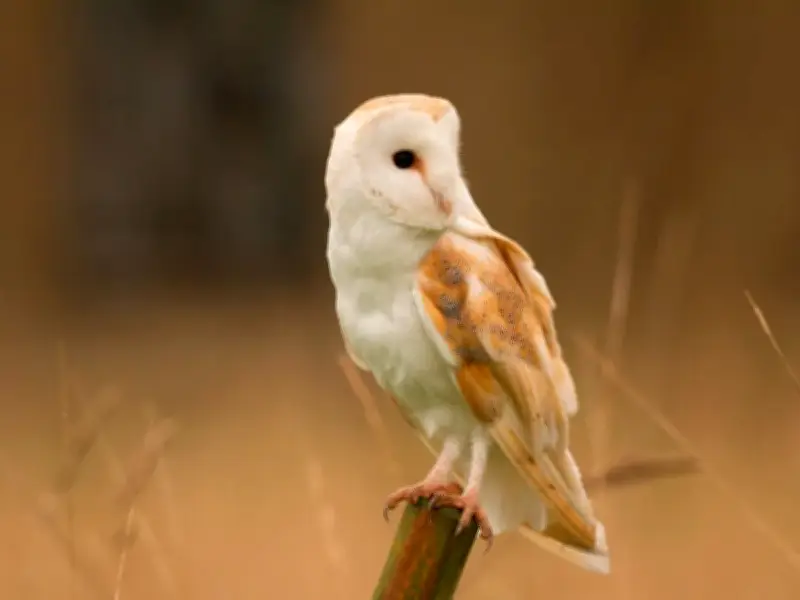
Owls have always been popular with the public, so the Trust is delighted that the barn owl has been selected to appear on one of the new notes. Relying on healthy grasslands with nearby hedgerows or scrub that support prey such as voles and mice, changes in use and loss of suitable nesting sites have affected barn owl numbers.
Barn owls can usually be spotted hunting at dawn or dusk at several Northumberland Wildlife Trust reserves, while elsewhere they can be seen ‘quartering’ over farmland and grassland. Hauxley and East Chevington reserves at Druridge Bay are great spots for barn owl sightings as they search for food, whilst its Haining holiday cottage in the Redesdale area of Northumberland has been adapted to accommodate a barn owl nest box, and earlier this year a barn owl nest box was installed on the Whitelee Moor reserve and nested in almost immediately.
Trust chief welcomes banknote spotlight
Mike Pratt, Northumberland Wildlife Trust Chief Executive, said: “I’m delighted that some of the UK’s best-loved wildlife species will be taking centre stage on our banknotes. The public’s enthusiasm for these species shows just how much people value the wildlife around them. We hope seeing them on our banknotes will inspire even more people to take action for nature, whether that’s creating a hedgehog highway, planting flowers for pollinators or supporting habitats where barn owls can thrive.”
Atlantic puffin completes the set
The last animal species to feature may not be on any of the Trust’s reserves but it is a local to the North East. The fourth species is the Atlantic Puffin, which can be seen on a cloudless day from its Annstead Dunes reserve at Druridge Bay. As of 2023, 23% of puffins have been lost from the UK in the last 20 years.
The birds have been heavily impacted by climate change and industrial-scale overfishing, which was combatted in 2024 with the banning of industrial sandeel fishing, a main source of food for puffins, in the English North Sea and all Scottish waters, which has offered a lifeline to puffins as well as other seabirds. The new introduction of these beloved and endangered species on our banknotes will highlight their importance to our ecosystems.