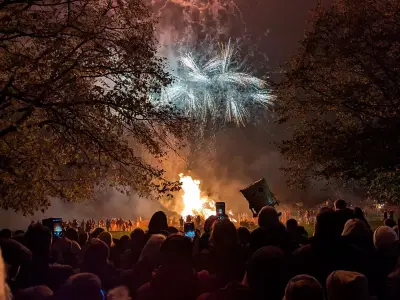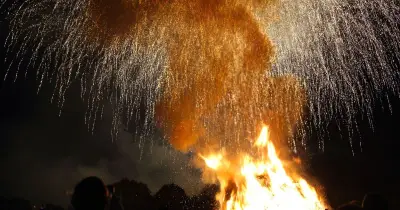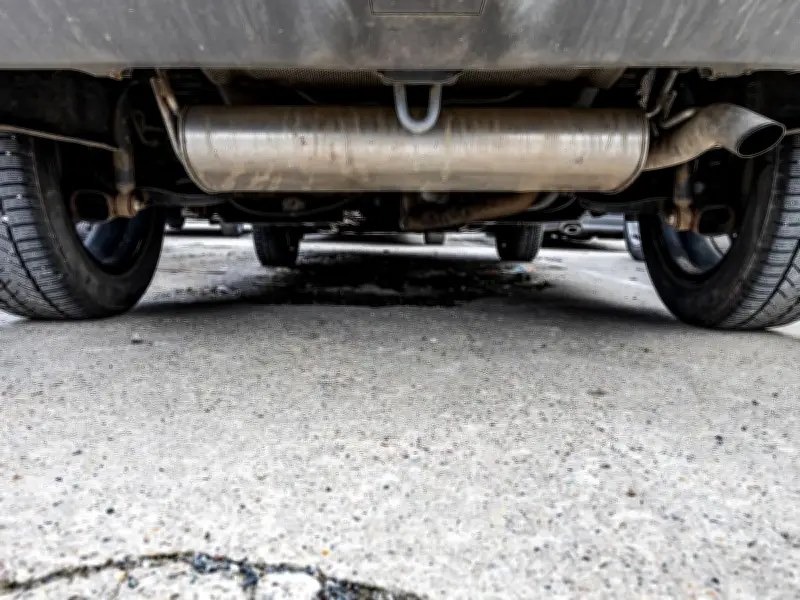
Drivers across the UK are being urged to check beneath their vehicles before setting off on Friday, November 6, to protect cats that may be hiding there after being frightened by fireworks. With Bonfire Night celebrations taking place the previous evening, many cats will have been startled by the sudden bangs and may have sought refuge under parked cars.
The space beneath a parked car offers cats a dark, enclosed hiding place when they flee in panic. According to reports, 22% more cats are reported missing on Bonfire Night than on any other night of the year, and even confident outdoor cats can behave unpredictably when frightened.
Checks drivers should make before setting off
Jimmy Bratley, Veterinary Advisor for Feliway, is calling on motorists to take extra precautions and has outlined simple checks to carry out before starting the engine. He said: "Before starting the engine, gently tap on your car bonnet or roof to alert any cats that may be sheltering underneath. Give them a few seconds to move away before carefully checking under your vehicle and inside the wheel arches."
Once you are confident there is no cat under your car, you should carry out your usual checks before driving away. Drivers are also advised to take extra care on the road, as frightened cats may unexpectedly dart into traffic.
How cat owners can reduce the risks
Keeping cats indoors from dusk on Bonfire Night is one of the most effective measures owners can take, according to Bratley. He said: "Make sure your cat has access to a clean litter tray, fresh water and plenty of food, so they don't need to go outside."
Owners should also ensure their cat is microchipped and that contact information is up to date, in case the cat escapes despite precautions. To minimise stress, owners can shut windows, doors, curtains and cat flaps to reduce firework noise, and play soothing music or turn up the television to drown out sounds.
Providing a quiet, dark hiding place lined with bedding and blankets can help cats feel secure during the loud bangs. Bratley added: "The most common response to fireworks in fearful or anxious cats is to run away, hide, or climb to a safe lookout. Unfortunately, this can be underneath parked cars, putting your cat at serious risk if a driver doesn't realise they're there."
Other signs that a cat is scared of fireworks include dilated pupils, increased alertness, soiling the house, refusing to eat, ears facing downwards or backwards, and shaking. Bratley recommends creating a quiet, safe space at home and combining it with a Feliway Optimum diffuser to help cats stay calm and recover quickly during fireworks.