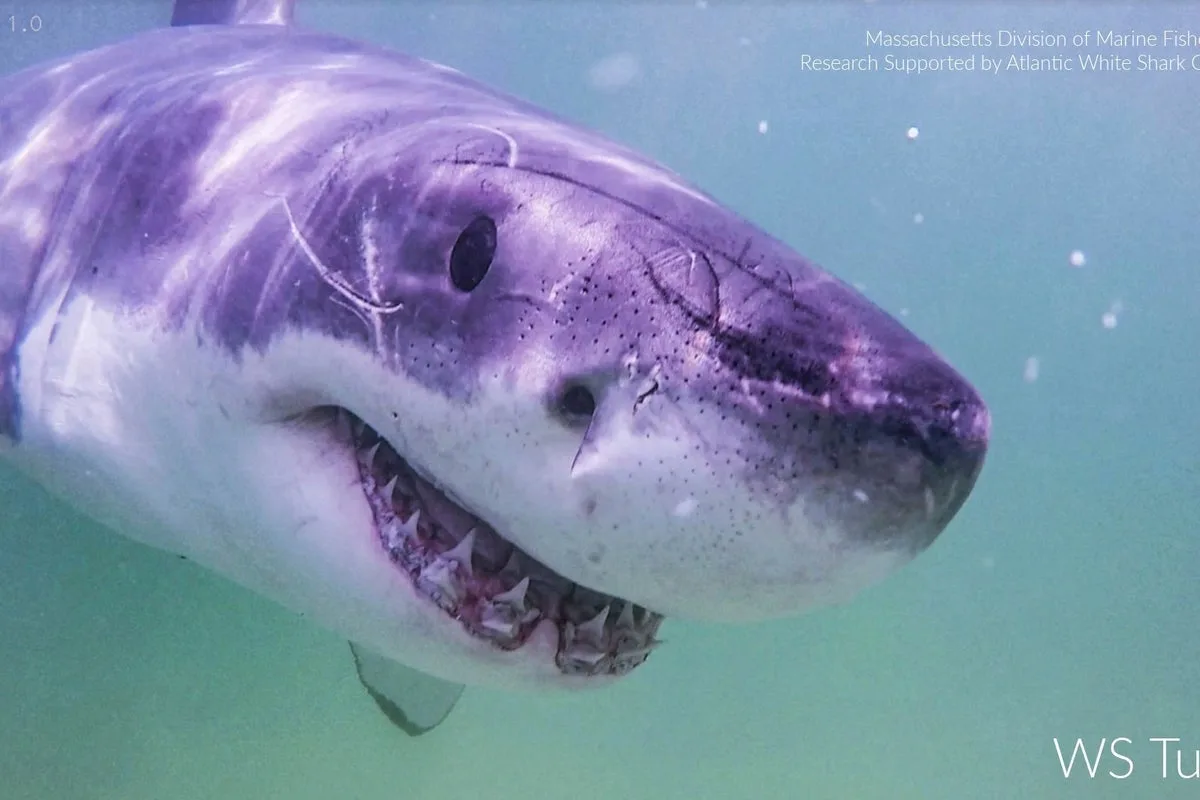
Great white sharks are being sighted more frequently in the cold waters off New England and Atlantic Canada, a trend scientists attribute to a growing seal population. In July, an 8-foot shark was spotted near Scarborough, Maine, surprising local lobster fisherman Rick Clough, who said, “I’m not sure I’d want to go urchin diving now.”
Researchers link the increase in sightings to the successful conservation of seals under the Marine Mammal Protection Act, which has provided a reliable food source for the sharks. Greg Skomal, a senior fisheries biologist with the Massachusetts Department of Marine Fisheries, noted that the number of white sharks detected off Halifax, Nova Scotia, rose about 2.5 times from 2018 to 2022, and nearly four times in the Cabot Strait. The average residency in these northern waters has also increased from 48 to 70 days.
Despite the sharks' size—they can grow up to 20 feet—dangerous encounters with humans remain rare. Fewer than 60 fatal great white shark bites have been recorded worldwide in history. The first fatal shark attack in Maine occurred in 2020, when a great white killed 63-year-old Julie Dimperio Holowach off Bailey Island.
Commercial clam digger David Lancaster used a drone to film a 12-foot shark near Scarborough’s beaches, calling it “magnificent” but reminding swimmers to stay vigilant. The Atlantic White Shark Conservancy’s Sharktivity app allows spotters to report sightings, which often go viral on social media. Lancaster concluded that living with great whites is something New Englanders must adjust to.