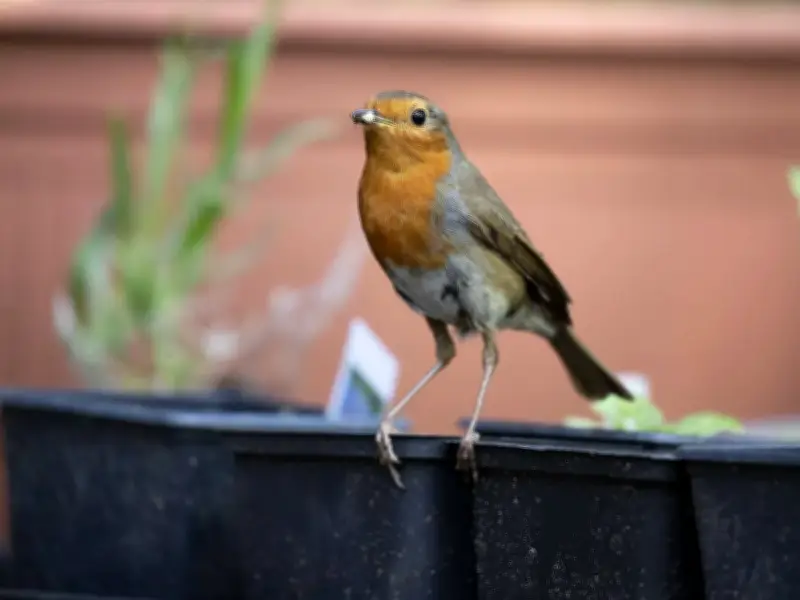
The RSPB has advised gardeners not to feed birds seeds or peanuts until November 1. Although temperatures have begun to fall as days shorten, gardens across the UK remain active with wildlife, and Britons have been reminded to consider the needs of birds, which use gardens to nest, feed, shelter and hide from predators.
According to the RSPB, people who feed birds should do so seasonally, offering certain foods only at specific times of the year. The organisation specifically recommends not feeding seeds or peanuts before November 1, as part of efforts to reduce the spread of disease, particularly trichomonosis, which can spread when birds gather at feeders.
Why Feeding Is Paused Until November
The RSPB explained that, because of when trichomonosis is most likely to spread, it recommends feeding birds peanuts and seeds only during periods when the risk is lower. On its website, the organisation stated: “Across the UK, trichomonosis has caused serious declines in Greenfinch and Chaffinch populations and may now be causing a rapid decline amongst Bullfinches.”
“The scientific evidence shows that the risk of trichomonosis outbreaks is highest in summer and autumn. Our Conservation Scientists have worked with other expert partners to find a solution. We now recommend that you pause feeding garden birds seeds and peanuts between 1 May and 31 October. You can continue to offer small amounts of mealworms, fatballs or suet.”
Winter Feeding Is Safer for Birds
The RSPB added that feeding birds during winter is safer because the parasite “is killed by cold weather”, meaning the risk of outbreaks is much lower. The organisation is not the only one offering guidance on winter bird feeding, with specialists at Kennedy Wild Bird Food and Pet Supplies also advising on mistakes to avoid.
This includes ensuring that, if people choose to give birds peanuts, they use the right kind. Richard Green from Kennedy explained: “It's important to use only peanuts from trusted wildlife suppliers, as these are tested to make sure they're free from aflatoxin, a natural mould toxin that can be fatal to birds even in small amounts. Avoid salted or roasted peanuts altogether, as these can cause real harm. Sticking to safe, specialist foods means birds get the nutrition they need without unnecessary risks.”
Instead, he suggested switching to sunflower hearts, as they provide “a high-calorie boost that helps birds prepare for the colder months”.