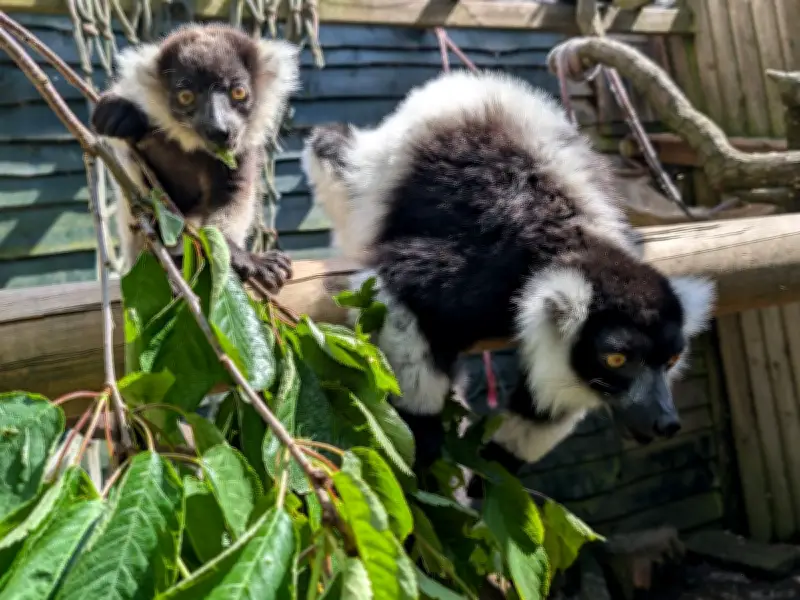
A trio of endangered black-and-white ruffed lemur pups has been born at Blair Drummond Safari Park in Stirling, marking a significant step in conservation efforts for the species. The pups, named Domino, Zero and Ebony after their distinctive black-and-white markings, were born to experienced parents Cali and Páraic.
Conservation breeding success
Cali has now given birth to 11 pups during her time at the park, with the latest arrivals forming part of the European Endangered Species Breeding Programme (EEP). This programme aims to build a healthy 'insurance population' in zoos across Europe, as the species faces severe threats in the wild. According to the park, only 1,000 to 10,000 individuals remain in their native Madagascar.
The pups are currently staying close to their mother in their indoor habitat, where visitors can see them climbing. As their confidence grows, they will join the other occupants of Lemur Land and eventually move to other conservation-led collections to continue the global breeding programme.
Threats to the species
Black-and-white ruffed lemurs are among the world's most threatened primates. Native to Madagascar, they are famous for their striking markings and powerful voices—the second loudest of any primate after howler monkeys. Their calls can travel long distances through the forest canopy. However, the species has been pushed to the brink by the illegal pet trade and widespread habitat loss due to deforestation for agriculture, logging and mining.
Blair Drummond Safari Park plays an active role in the EEP, and the new arrivals are the fourth litter born at the park. Several of their older siblings now live in other leading zoological collections across the UK.
Team leader's reaction
Lesley Grant, team leader of Lemur Land, said: “It’s always incredibly special to welcome new arrivals but knowing just how vulnerable this species is, makes these births even more meaningful. Cali is a brilliant mum, and it’s fantastic to see the pups doing so well. Every birth is an important step in helping to secure the future of these amazing animals.”