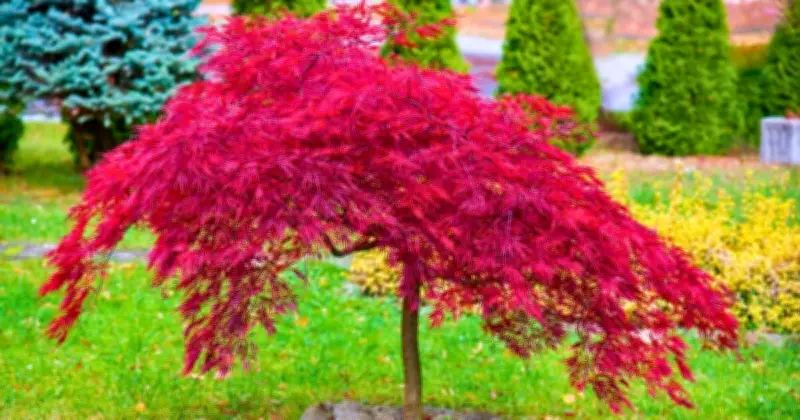
Gardeners looking for autumn colour are being urged to consider sourwood (Oxydendrum arboreum) as a striking alternative to Japanese maples. According to experts at Gardening Know How, the tree “knows how to put on a show with its dazzling display of red, burgundy, orange, and yellow leaves” each autumn, and its appeal extends beyond the colder months thanks to fragrant summer flowers.
Why sourwood stands out
While Japanese maples are prized for their unique foliage patterns and refined branch structure, sourwood brings its own distinctive charm. With slender leaves and naturally elegant branching, it creates a gentle, forest-like aesthetic that complements naturalistic garden designs.
In early to midsummer, sourwood produces “drooping clusters of fragrant bell-shaped flowers” that “resemble lily-of-the-valley flowers”. These blooms are packed with nectar that pollinators adore. After flowering, the tree produces tiny seed pods that remain through the chilly season, offering extra charm and supporting wildlife long after the foliage drops.
Low-maintenance appeal
The gardening experts said: “This tree's glossy summer foliage, fragrant white flowers, spectacular autumn colours, and attractive winter structure give it plenty to offer throughout the year, especially if you want to support pollinators without sacrificing ornamental impact.”
Sourwood requires little care. It tolerates drought, adapts to light conditions, and does not have high water needs.
Planting requirements
Before planting, note that sourwood prefers acidic, well-drained soil. It does not do well in alkaline soil or areas where water pools, so testing soil pH first is recommended.
In the UK, soil pH ranges from 3.5 (strongly acidic) to 8.5 (strongly alkaline), with seven being neutral. To test, use a soil testing kit and samples. Avoid spots recently treated with fertiliser, compost, or other amendments, as these can skew results. Clear rocks and small branches from the sample, transfer the right amount into the tube, pour in the chemical solution, shake well, and let it settle. When the liquid clears, compare its colour to the chart to determine pH level.