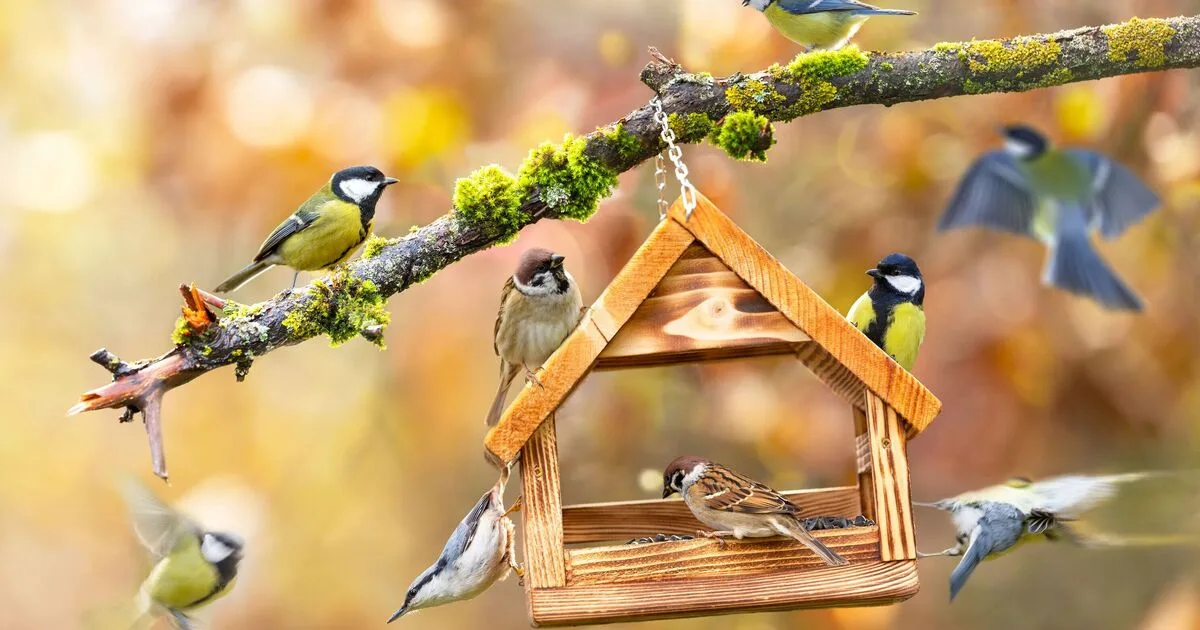
As winter sets in, many UK households put out bird feeders to help local wildlife, but experts are warning that failing to check them regularly could spread disease among garden birds. Damp seed, in particular, poses a significant risk, according to Richard Green, a bird feeding specialist from Kennedy Wild Bird Food & Pet Supplies.
Green explains that once seed becomes damp, moulds, bacteria and parasites can develop within 24 to 48 hours, leading to illness in birds that share the same feeding space. ‘Any black, green or white fuzz on the food means it should be discarded immediately,’ he says. Other warning signs include seeds clumping together, changes in colour or a musty smell.
Even condensation inside a feeder can create conditions for mould growth, so Green advises drying feeders completely before refilling. If seed gets wet, it must be removed and disposed of, never dried out and reused, as mould spores and bacteria remain active even after drying. ‘Cleanliness is what makes garden feeding safe,’ he adds.
To reduce the risk, Green recommends placing feeders in sheltered spots such as under eaves, patios or tree branches to keep food dry and protect birds from potential harm.