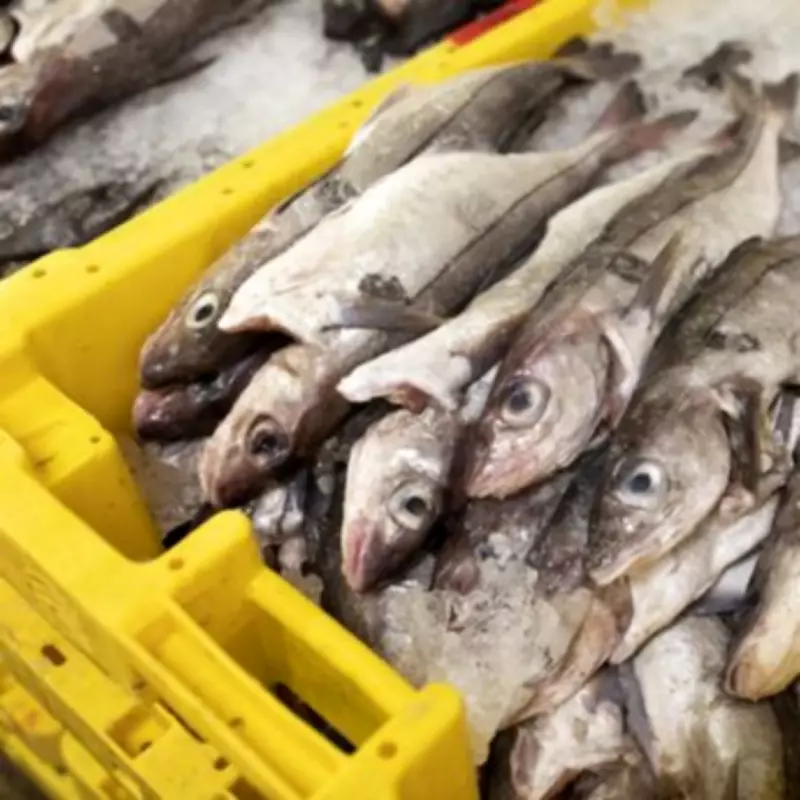
Marine Conservation Society Issues Dire Warning on UK Cod Populations
The Marine Conservation Society (MCS) has delivered an urgent and critical warning to British consumers, urging them to "completely avoid" purchasing UK-caught cod. This stark advisory comes in response to a severe and unsustainable decline in national cod populations over the last ten years, which has now reached alarming lows.
Unsustainable Declines and Zero-Catch Recommendations
According to the MCS, cod populations have plummeted dramatically despite existing zero-catch recommendations. The environmental charity has highlighted this issue in its Good Fish Guide, a resource designed to assist both individual consumers and businesses in making more sustainable seafood choices. UK-caught cod currently holds the organisation's lowest possible rating, reflecting its critical status.
The International Council for the Exploration of the Sea (ICES) recommended a zero-catch policy for 2026 in the North Sea and adjacent waters. However, this measure has failed to halt the population decline. A 2025 report from Oceana UK, a science-based advocacy group, identified North Sea cod as "among the worst-performing" fish species, citing continued overexploitation despite full awareness of its critical state.

Primary Causes: Overfishing and Climate Shifts
The decline in cod populations is attributed to a combination of overfishing and rapid climate shifts, with overfishing identified as the most significant factor. Rising sea temperatures have drastically altered the cod's ecosystem, leading to poor survival rates among juvenile cod and reduced reproductive success in adults. These challenges have made it impossible for populations to sustain current commercial demand.
Kerry Lyne, Good Fish Guide Manager at the MCS, emphasised that the issue is not about fish and chips disappearing entirely, but rather about sourcing species from further afield. "The challenge isn't that fish and chips will disappear, but that the species must be sourced from further afield," she stated in a release accompanying the MCS findings.
Sustainable Alternatives and Consumer Guidance
In light of these warnings, the MCS advises consumers to seek sustainable alternatives. European hake is recommended as a white fish substitute, while Icelandic cod caught by longline or gillnet methods is highlighted as the "best choice" for those still wanting cod. Some UK haddock can also be a viable option, depending on its origin, with the North Sea and West of Scotland noted as preferable sources.
The MCS underscores that as pressure mounts on traditional choices like cod and scampi, the Good Fish Guide aims to spotlight more sustainable alternatives. This guidance is intended to empower consumer choices that support healthier local fish stocks and better-managed fisheries, fostering long-term environmental stewardship.