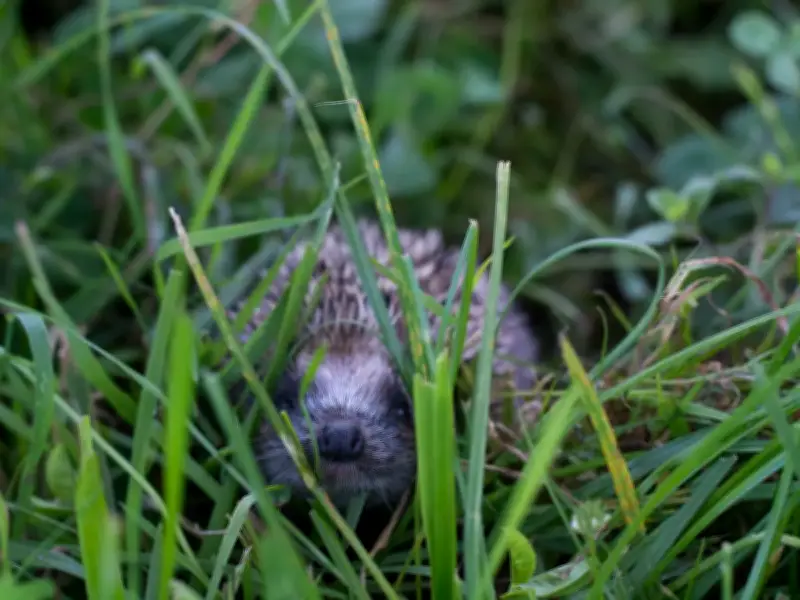
Hedgehogs can get a helping hand this autumn if gardeners leave out a simple item: food. As natural hunters of insects, caterpillars and beetles, hedgehogs act as an efficient form of organic pest control, and wildlife-friendly gardens are among the most important ways to support their conservation.
Hedgehog populations in rural locations have declined by between a third and three-quarters nationally over the last two decades. Gardens can provide hedgehogs with essential sources of food, water and shelter, and creating small gaps in fences and gates allows them to travel safely and freely between different locations.
Food, water and shelter tips
Hedgehogs will be looking to increase their fat reserves in preparation for hibernation, so leaving out food is among the simplest ways to attract them. They have a particular appetite for insects including beetles, earthworms and snails. Gardeners can also offer meat-based cat food, specialist hedgehog food or plain dry cat biscuits. Since hedgehogs are mainly active after dusk, the food should be put out during the evening.
A shallow dish of clean water should be placed in a quiet, sheltered location and refreshed daily. Hedgehogs also need a peaceful, protected spot to rest during the day before eventually entering hibernation. Leaving one corner of the garden a bit wild, with piles of leaves, logs and branches, gives them a place to take refuge and recover. A hedgehog house can also be bought or built to offer a dedicated sanctuary.
Gaps, chemicals and hibernation
These spiky creatures can travel a surprisingly long distance overnight while searching for food and water. Creating a small gap at the bottom of gates and fences allows hedgehogs to move freely between gardens without having to venture near busy roads or dangerous areas. An opening measuring 13cm by 13cm is typically the perfect size.
Reducing the use of pesticides and other chemicals is also advised, as these can directly harm hedgehogs and destroy the insects they rely upon for food. Hedgehogs usually enter hibernation between October and November, through to April or March, though they may still be seen wandering during that period. A mild beginning to winter can push back hibernation, and hedgehogs will sometimes wake up periodically to move nests somewhere warmer. If they did not build up enough fat reserves, they may wake to forage or can be disturbed by noises from garden work or pets.