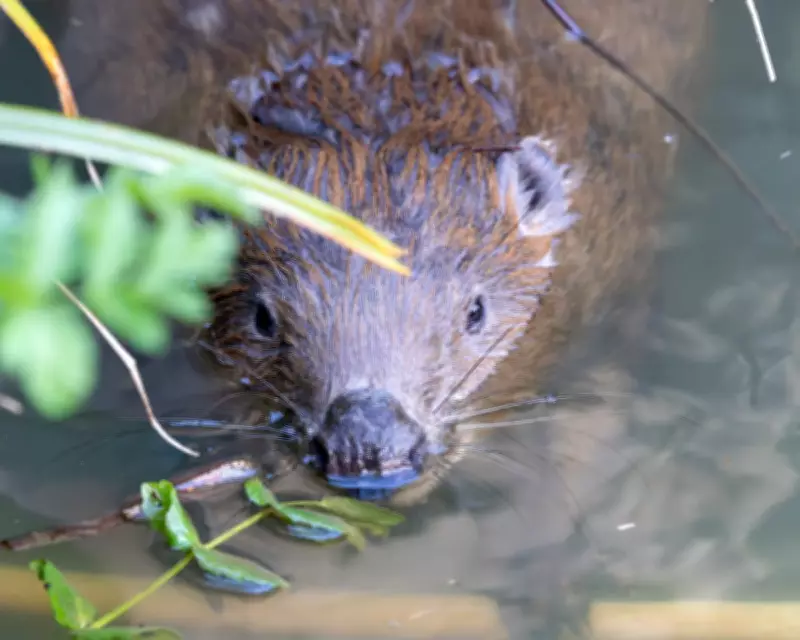
One year after a historic reintroduction, beavers are breathing new life into the Dorset landscape, with the National Trust reporting remarkable ecological transformations. This marks the first official return of these semiaquatic mammals to England since they were hunted to extinction approximately 400 years ago.
Engineering a New Ecosystem
The beavers, released with fanfare and hope last year, have been actively reshaping their environment on the Isle of Purbeck in Dorset. They have constructed a substantial 35-metre dam, which has slowed the flow of a stream and created a deep, wildlife-rich pool. By coppicing trees, they have allowed more light into the area, improving habitats for a diverse range of species.
Biodiversity Boost
Trail cameras have documented an otter fishing in the new pond and a barn owl hunting there, while volunteers have spotted birds such as redpolls and water rails. The beavers' activities have enriched the ecosystem, supporting plants, insects, amphibians, birds, and bats. There are even indications that their dam-building efforts may help prevent flooding on a nearby road during heavy rainfall.

Challenges and Setbacks
Despite the successes, the reintroduction has faced some hitches. Two pairs of beavers were released into Little Sea, a freshwater lake in Dorset. One female from the western pair initially left the area, ending up in the seaside town of Swanage, possibly after swimming across Swanage Bay. She was trapped and returned, but later, she and her mate were found at a Wessex Water treatment works, leading to fencing to discourage them.
Tragically, the male from the eastern pair was found dead in Swanage Bay, likely due to salt water poisoning, and there have been no recent sightings of the female. Gen Crisford, the National Trust's wetlands project officer, noted that setbacks are inevitable in such projects, emphasizing the challenges wild animals face, especially with climate change.
Hope for the Future
Footage captured by cameras shows two of the beavers mating, suggesting they have settled into their new home and may produce kits this summer. Crisford expressed optimism, stating, "We may be having a happy ever after moment now. Just to see beavers doing what beavers do and really having an engineering impact on the habitat is fantastic."
Broader Impact and Expansion
The new beavers have joined another pair that arrived at the lake by unknown means before the UK government licence was granted. That pair has already raised three kits and built two large lodges. Ben McCarthy, head of nature conservation at the National Trust, highlighted the remarkable effect on the landscape and praised the positive political action that enabled this ecological recovery.
The project allows for the release of 10 to 25 adult beavers, with the next release expected this autumn. This initiative demonstrates how targeted conservation efforts can lead to tangible benefits for biodiversity and ecosystem health in a relatively short time.