Antarctic Whale Comeback Threatened by Industrial Krill Fishing in Southern Ocean
In a remarkable environmental turnaround, Antarctic whale populations have been showing signs of a significant resurgence in recent years, following decades of recovery from historical whaling practices. However, this promising comeback is now under severe threat from a new and growing danger: industrial-scale krill fishing in the Southern Ocean. The burgeoning krill fishing industry, driven by global demand for omega-3 supplements and aquaculture feed, is rapidly depleting the primary food source for these majestic marine mammals, putting their survival and the health of the entire Antarctic ecosystem at risk.
The Critical Role of Krill in Antarctic Ecosystems
Krill, small shrimp-like crustaceans, form the foundation of the Antarctic food web, serving as a vital nutritional resource for a wide array of species, including whales, seals, penguins, and seabirds. These tiny creatures thrive in the cold, nutrient-rich waters of the Southern Ocean, where they aggregate in massive swarms that can be visible from space. For baleen whales, such as humpbacks, blues, and minkes, krill is an essential component of their diet, with some individuals consuming several tonnes daily during feeding seasons. The health and abundance of krill populations are directly linked to the reproductive success and overall well-being of whale species, making any disruption to krill availability a critical concern for conservation efforts.
Rise of Industrial Krill Fishing and Its Impacts
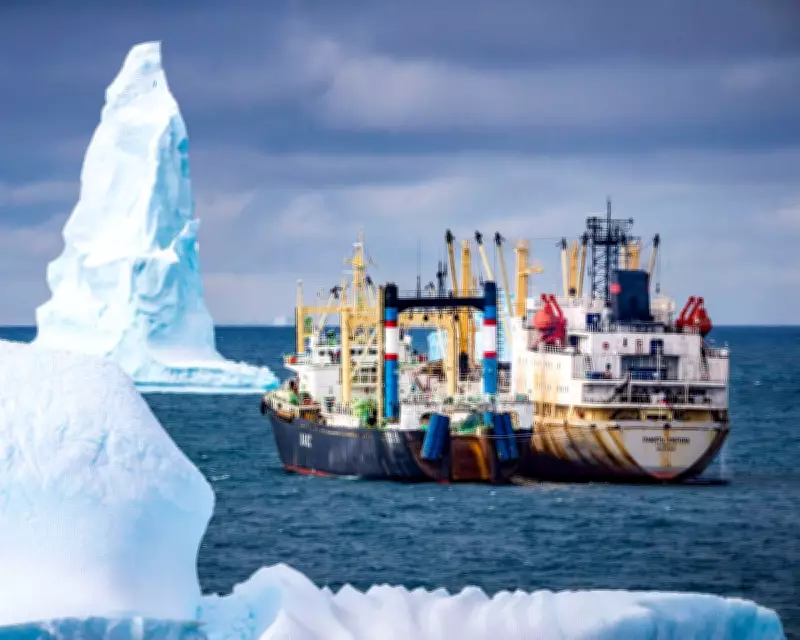
Over the past two decades, industrial krill fishing has expanded dramatically in the Southern Ocean, with fleets from nations like Norway, China, and South Korea employing advanced technologies to harvest krill in unprecedented quantities. These operations often target areas that are crucial feeding grounds for whales, leading to direct competition for resources. The fishing methods used, including large trawlers and suction systems, can not only reduce krill stocks but also cause habitat disturbance, affecting the delicate balance of marine life. Scientific studies indicate that localized depletion of krill in key regions is already occurring, forcing whales to travel longer distances to find food, which can impact their energy reserves and breeding cycles.

Conservation Challenges and Regulatory Gaps
Despite the growing threat, regulatory frameworks governing krill fishing in the Southern Ocean remain inadequate. The Commission for the Conservation of Antarctic Marine Living Resources (CCAMLR), the international body responsible for managing fisheries in the region, has implemented some measures, such as catch limits and spatial protections, but these are often criticized as insufficient to address the scale of industrial operations. Enforcement is also a significant challenge, with limited monitoring and surveillance in the remote Antarctic waters allowing for potential overfishing and illegal activities. Conservationists argue that stronger, science-based regulations are urgently needed to safeguard krill populations and ensure the long-term recovery of whales.
Broader Ecological and Economic Implications
The threat to Antarctic whales from krill fishing extends beyond individual species, posing risks to the broader marine ecosystem and even global climate processes. Krill play a key role in carbon sequestration, as their fecal pellets sink to the ocean floor, trapping carbon dioxide. A decline in krill abundance could undermine this natural carbon sink, exacerbating climate change. Economically, the loss of whale populations could impact tourism industries in regions like the Antarctic Peninsula, where whale-watching is a major attraction. Balancing the economic interests of the krill fishing industry with ecological preservation requires coordinated international action and sustainable management practices.

Future Outlook and Call to Action
Looking ahead, the fate of Antarctic whales hinges on immediate and decisive action to curb industrial krill fishing. Proposals include expanding marine protected areas, implementing stricter catch quotas, and promoting alternative sources for omega-3 products to reduce demand. Public awareness and advocacy are also crucial in pressuring governments and corporations to adopt more responsible practices. By addressing these challenges, there is hope that the Antarctic whale comeback can continue, preserving these iconic creatures for future generations and maintaining the integrity of one of the world's last pristine wildernesses.