
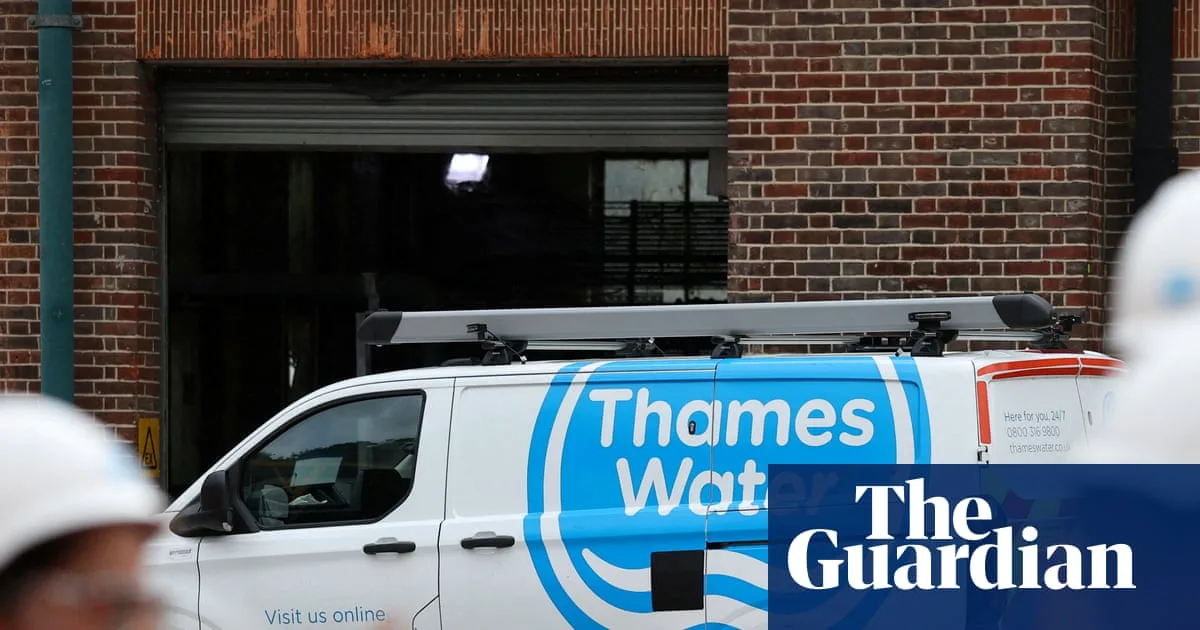
The government's claim that bringing water into public ownership would cost £100bn and necessitate raiding the NHS budget has been challenged by experts. In a letter to the editor, Prof Becky Malby, Dr Kate Bayliss, Prof Frances Cleaver and Prof Ewan McGaughey of the People’s Commission on the Water Sector argue that this figure is based on biased evidence and has no legal basis.
The £100bn figure is derived from the regulatory capital value (RCV) of water companies, calculated by Ofwat using the 1989 market value, plus capital spending and depreciation, multiplied by the retail prices index. However, the experts note that two listed water companies have market values around half their RCV, and KKR's bid for Thames Water was only £4bn against an RCV of £21bn.
They assert that RCV bears no resemblance to market value, which itself is not the correct valuation method for public ownership. Under UK law, the government would pay a fair value, not market value, taking into account inadequate investment, dividends paid, high debts, and the costs of rectifying damage under private ownership. The law requires a 'fair balance' in the public interest and 'appropriate value' for secured creditors.
For failed water companies that have returned billions to shareholders while leaving billions in repair costs, the experts suggest the fair price for public ownership could be close to zero. They also clarify that any temporary funds needed would come from ringfenced bonds, not the NHS budget.




