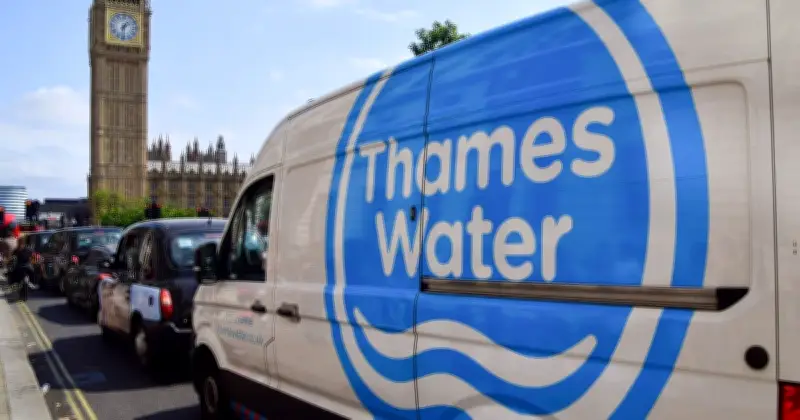
Households are set to see £240 million taken off their water bills by 2030 because of poor supplier performance, the regulator Ofwat has announced. The water watchdog said it was proposing to hit a raft of firms across the sector with penalties for not meeting targets on environmental and customer service, which will be returned to households and businesses through their bills.
Bill reductions and offsetting hikes
The total net bill reduction under the draft plans is £240 million by 2029-30, with £107 million being returned through customer bills in 2027-28. But the cuts to bills are likely to be offset for many customers by recent plans announced by Ofwat to allow water companies to hike annual tariffs by an extra £3.4 billion – on top of the 36% average rise agreed over the five years to 2030.
Yorkshire Water and Thames Water will see the largest underperformance payments deducted from bills in April 2027 under Ofwat’s provisional plans, at £75 million and £46 million, respectively. Some firms will see outperformance payments; however, the largest will apply to Severn Trent and Northumbrian Water.
Regulator's timeline and complaints surge
Ofwat stressed that changes to bills are “affected by a range of factors and the effect will vary by company and customer type”. It will make its final decision on so-called outcome delivery incentive payments by December 15, with the changes taking effect on bills from April 1 next year.
Complaints about water companies to the industry watchdog, the Consumer Council for Water (CCW), increased by a staggering 84% in a year, with measured billing, affordability, and billing administration as the main topics of concern. The CCW said the year-on-year increase was the highest in its 20-year history and showed "just how dissatisfied" many people were.
Complaint numbers and industry context
The data published in September 2026 showed the total number of complaints to the watchdog rose to 15,115 in 2025-26, from 8,235 in the previous year. Meanwhile, complaints made by households directly to water companies, which are required before complaining to the CCW, increased by 56% to 321,347.
Commenting on the figures released last month, Mike Keil, the chief executive of the CCW, said customers are "impatient to see the benefits" of higher bills. He added: "Companies need to be clear and open with their customers about how they are investing people's money to deliver real improvements."
Performance commitments and political moves
Ofwat sets performance commitments for each company, with service levels that companies are expected to achieve over the five years to 2030. Each performance commitment has an outcome delivery incentive with financial implications for companies if they outperform or underperform against those targets.
Prime Minister Andy Burnham unveiled plans late last month for new laws to pave the way for public ownership of failing water firms, and vowed a 10-year path to a “very different water system” in the UK. In his speech at the Labour Party conference, Mr Burnham said Environment Secretary Dame Angela Eagle would present a “strengthened Water Bill to Parliament”.
It raised the spectre of a possible temporary nationalisation of debt-laden Thames Water as the Government looks to decide on a £10 billion rescue takeover put forward by lenders for the UK’s biggest water supplier. The announcement came after Mr Burnham said customers “cannot be treated as a blank cheque” after Ofwat announced plans in August to allow yet more bill increases on top of those already agreed. The water industry continues to come under fire over sewage spills, supply failures and executive pay, with calls growing for many firms to be brought back into public ownership.