Monty Don has shared a two-step method for removing algae from patio paving that avoids scrubbing and chemicals. The advice, posted on his blog, focuses on essential November gardening tasks, particularly patio and paving maintenance.
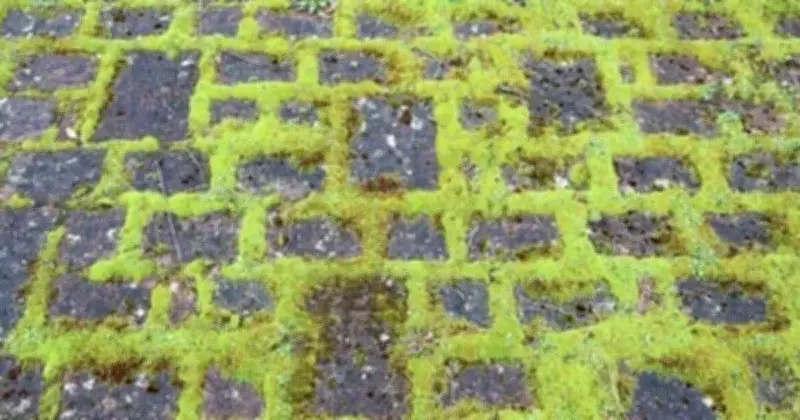
Neglecting patios and paving slabs can lead to green algae and moss growth, which is most prevalent from late autumn through winter but can occur during any wet spell or in shaded, damp locations. Monty noted that algae tend to flourish on rough and porous surfaces rather than smooth, solid ones.
Why Algae Removal Matters
According to Monty, the primary reason to remove algae from pathways is the potential danger it poses during this season. He explained: "At this time of year, brick and stone paths can be very slippery and dangerous. This is due to algae that grows on the surface, especially if wet and shaded, and at this time of year, they may stay wet and slippery for months."
To minimise the risk of slipping, Monty suggests using a pressure hose, available for daily hire, to blast away the algae, describing it as "the best way". While a pressure washer can effectively remove algae, it can also dislodge grout, which serves a crucial function in protecting and extending the lifespan of patio slabs.
The Two-Step Method
When using a pressure washer, care should be taken not to harm the grout, though accidental contact should not create major problems. After removing the algae, Monty recommended applying sand to restore and replenish the grout, filling the spaces between the block paving to prevent future growth.
He explained: "When this is done, brush in sharp sand. If the path is brick or stone, the porous surface will absorb some of the sand. A quicker - but still quite laborious - alternative is simply to work sand in with a stiff brush without the washing."
Monty stressed that this approach offers a "very effective way" to clean paving and maintain a pathway's safety, "without resorting to chemicals" or dedicating hours to scrubbing.