Australian Urban Design Awards 2026 Embrace Gentler Urban Transformation
The 2026 Australian Urban Design Awards, announced at Parliament House in Canberra, have signalled a notable shift from grandiose architectural spectacles to more pragmatic and community-oriented projects. This year's winners, as judged by the Australian Institute of Architects, reflect a gentler approach to urban development, focusing on resilience, civic dignity, and environmental harmony.
Campbelltown Station Car Park: A Civic Marvel
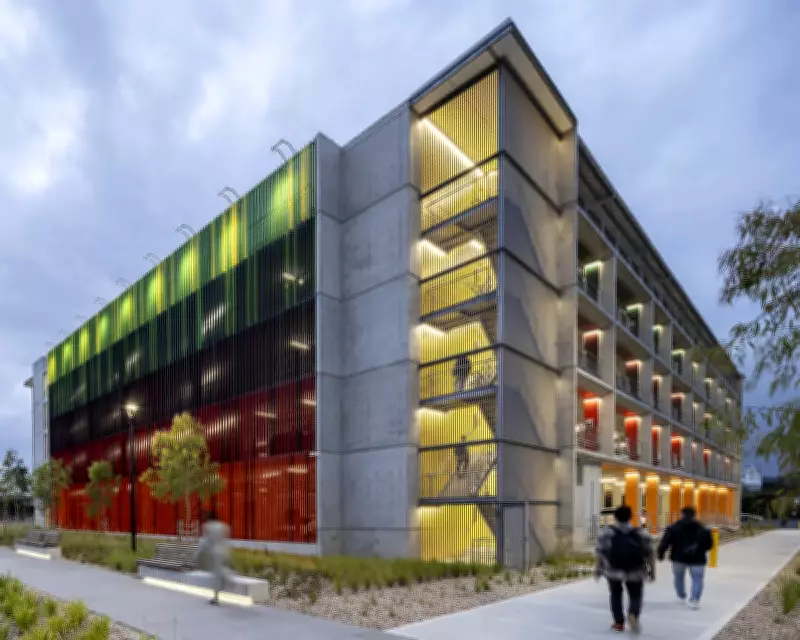
Designed by Hill Thalis Architecture + Urban Projects, the Campbelltown station commuter car park has been hailed as more than mere infrastructure for vehicles. Awarded in the built outcomes category, this project is celebrated for its generous and uplifting design, incorporating natural ventilation, vibrant colours, and lush greenery. It transforms a typically utilitarian structure into a symbol of civic pride, injecting dignity into everyday urban spaces.
St Kilda Pier Redevelopment: Balancing Utility and Recreation
On Melbourne's shoreline, the St Kilda pier redevelopment, a collaboration between Jackson Clements Burrows Architects, Site Office Landscape Architecture, and AW Maritime, has elevated a functional concrete pier into a whimsical public asset. The new curved design enhances coastal protection while serving as a major tourist attraction, featuring a wave wall that doubles as a sculptural seat. Importantly, it supports a colony of fairy penguins, balancing ecological conservation with recreational use.

Balam Balam Place: A Cultural Transformation
In Brunswick, Balam Balam Place, named from the Woi-wurrung word for butterfly, represents a living metaphor for urban renewal. This project sheds its colonial past to emerge as a vibrant cultural landscape, praised for its deliberate sense of incompleteness. It bridges the deep history of traditional owners with 19th-century architecture, honouring the multi-layered heritage of inner-city Melbourne while fostering community engagement.
Strategic Innovations in Housing Policy
The New South Wales government received recognition in the strategic design and policy category for its housing pattern book. This initiative promotes modest, flexible, and affordable urban living without compromising design quality. Described as an openly democratic tool, it involves input from local and international designers and is accessible to various stakeholders, offering a significant step towards dignified housing solutions amid Australia's urban densification challenges.
The awards, co-convened by the Planning Institute of Australia, the Australian Institute of Architects, and the Australian Institute of Landscape Architects, attracted over 80 entries across four categories. They underscore a growing trend towards projects that prioritise people, place-specific responses, and long-term improvements, marking a pivotal moment in Australian urban design philosophy.