Weaving, Glamping and Kayak Tours Help Tackle Deforestation in Argentina's Gran Chaco
In the heart of Argentina's Gran Chaco forest, a remarkable transformation is underway. Small farmers and community-led conservation groups are pioneering innovative economic alternatives to protect one of the world's largest semi-arid forests, which faces severe threats from expanding agriculture, wildfires, and illegal logging operations often described as the 'logging mafia'.
From Timber Sales to Tourism Guides
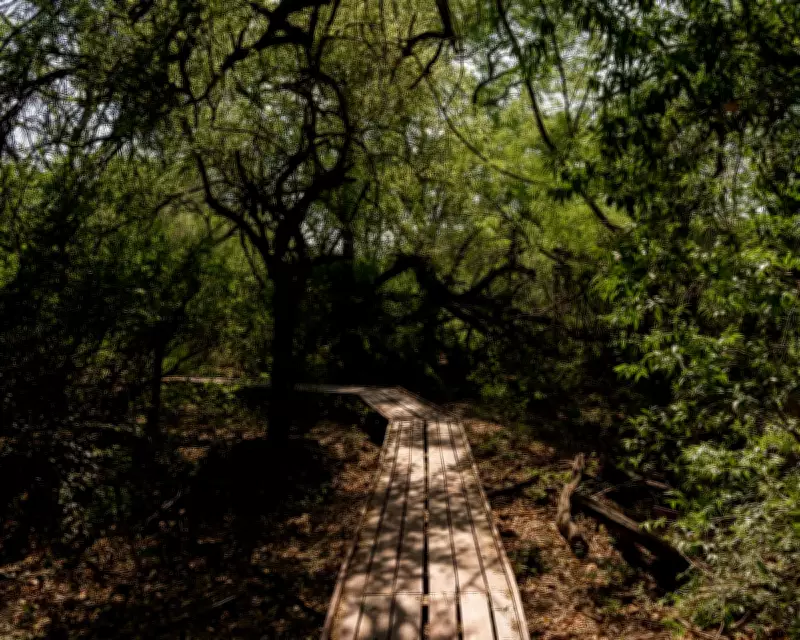
Jorge Luna, a 55-year-old farmer, stands proudly amidst towering molle trees, palo santo, and algarrobo on his 40-hectare plot in Chaco province. Like many small landowners, Luna once considered selling his valuable timber for quick cash—a common practice that contributes significantly to rampant deforestation in the region. Instead, he chose a different path, embarking on a second career as a forest tourist guide through a programme sponsored by Fundación Rewilding Argentina.
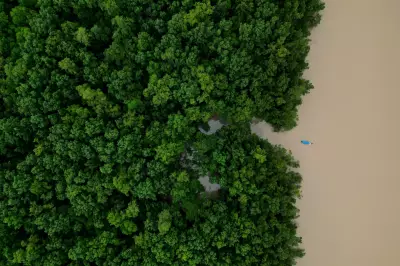
"At first, you didn't give the plants value. It was a lack of knowledge of what they meant. Now, every leaf that sprouts has an added value," Luna reflects. He now rents a small campsite to visitors and leads kayak tours along the Bermejito River that borders his property, demonstrating how sustainable tourism can provide viable income while preserving the forest.

Creating Protected Spaces and Economic Opportunities
The conservation effort gained significant momentum when Rewilding Argentina, originally established by Tompkins Conservation in 2010, collaborated with fifteen other organisations to persuade the Chaco provincial government to establish El Impenetrable National Park. Officially designated in 2014, this protected area encompasses 128,000 hectares of crucial forest habitat.
Since the park's creation, Rewilding has developed a comprehensive network to support emerging tourism initiatives. The organisation promotes riverside glamping accommodations while revitalising local and ancestral knowledge as potential income sources. Women in particular have returned to traditional weaving and artisanal production, while also providing home-cooked meals for visitors.
"It's a very large territory, and to preserve it we need to have residents onboard. So we promote eco-tourism among the local communities," explains Marian Labourt, a spokesperson for Rewilding Argentina.
The Scale of Deforestation and Its Drivers
The urgency of these conservation efforts becomes clear when examining the deforestation statistics. According to Greenpeace, Argentina lost nearly seven million hectares of native forest between 1998 and 2024, with the majority of this destruction occurring in the Gran Chaco region. Satellite imagery analysis reveals that approximately 120,000 hectares of forest were cleared in northern Argentina during 2024 alone—representing a ten percent increase from the previous year.
Environmental lawyer Enrique Viale warns that the Gran Chaco could disappear within two decades if current deforestation rates continue. "We call it the logging mafia," Viale states, describing what he sees as "a connection between politicians and the business community that destroys native forests."
The primary drivers of forest loss include:
- Agricultural expansion for intensive cattle ranching
- Genetically modified soya cultivation, largely exported to Asia and Europe
- Forest fires affecting both the Gran Chaco and Patagonian regions
- Timber industry demand for quebracho trees (used for leather tannins) and carob trees
Despite Argentina's 2007 forest protection law that established logging limits and conservation funding mechanisms, deforestation continues unabated. In 2024, Viale and fellow environmental lawyers filed a criminal complaint against politicians, public officials, and business owners in Chaco province, alleging that legal amendments had stripped thousands of hectares of their protected status. Although courts ordered a temporary three-month suspension of deforestation, these protections have since been lifted.

Community-Led Solutions and Traditional Knowledge
Mabel Figueroa, who lives in the small rural community of Pozo La Gringa near El Impenetrable National Park, represents the human dimension of this conservation story. Since the park's establishment, she has revived the ancestral weaving tradition passed down from her mother, creating scarves, blankets, and ponchos for tourists using wool from her sheep dyed with forest plants.
"Quebracho colorado dyes the wool in reddish-brown tones, palo coca in yellow, and yerba mate in green," Figueroa explains, demonstrating how traditional knowledge contributes to sustainable livelihoods.
Her son, Alberto Domínguez, tends their animals and grows maize and pumpkins for family use while witnessing firsthand the environmental pressures facing their community. "Big landowners buy up land, burn it, run bulldozers over thousands and thousands of hectares and destroy everything," he observes, adding that "each year, the heat has become more intense. What protects us is nature."
Essential Conditions for Successful Conservation
Argentine ecologist Sandra Myrna Diaz, who played a leading role in the UN-backed Intergovernmental Platform on Biodiversity and Ecosystem Services, emphasises that successful conservation projects require specific conditions:
- Co-design with local communities to ensure long-term objectives are considered
- Community empowerment and equal distribution of benefits
- Capacity building that ensures initiatives continue even if funding diminishes
"They can be a tool, as long as these conditions are met," Myrna Diaz states. "If the idea is to do something like parachute conservation, it's obviously not going to solve anything and could be a step backwards."
As the Gran Chaco faces unprecedented threats, the combination of protected areas like El Impenetrable National Park, sustainable tourism initiatives, and revived traditional crafts offers a hopeful model for balancing conservation with community livelihoods in one of the world's most vulnerable ecosystems.