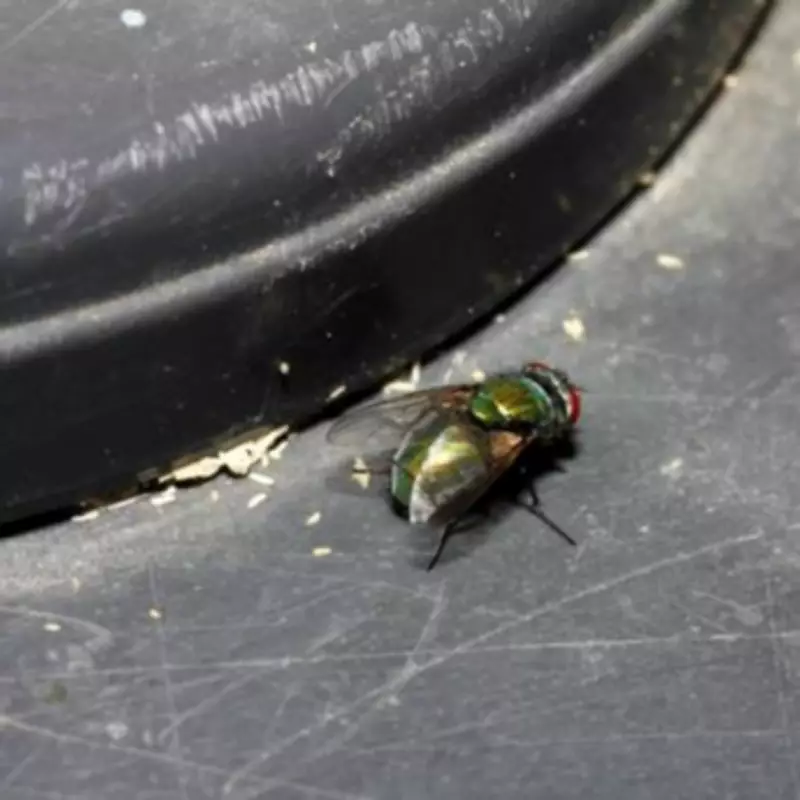
As spring temperatures rise and summer approaches, households across the UK are being urged to adopt a simple yet effective method to keep flies and maggots at bay in their wheelie bins. A commercial cleaning expert, who runs the popular Instagram account @thecleangroup, has revealed a two-step strategy that promises to "keep those maggots from feasting on your bin juice for good."
The Growing Problem of Flies in Wheelie Bins
Flies are naturally attracted to wheelie bins due to the abundance of food waste stored inside. These pests typically become a nuisance from late March onwards, when temperatures consistently reach around 10°C, creating the warm, damp conditions they thrive in. Upon entering bins, flies lay eggs that can hatch into maggots in as little as 24 hours, leading to unsanitary and unpleasant situations for homeowners.
Many people attempt to tackle this issue by hosing down their bins, but this method often falls short. It may remove surface grime but fails to eliminate stubborn residue or bacteria that accumulate on the plastic surfaces, leaving bins vulnerable to further infestations.

Step One: Eliminate Existing Maggots
The first crucial step in this cleaning regimen involves dealing with any maggots already present in the wheelie bin. To do this, start by boiling a kettle and carefully pouring the hot water into the bin. According to the cleaning professionals, "boiling water kills maggots instantly." After this treatment, dispose of the dead maggots and give the bin a gentle scrub with washing-up liquid if desired. Alternatively, as the cleaner suggests, "a quick blast with the garden hose will do" to rinse away any remaining debris.
Step Two: Deter Future Flies with Salt
The second step is key to preventing future fly invasions and involves a common kitchen item: table salt. The expert recommends scattering a handful of salt into the wheelie bin each time you empty it, noting that "flies hate salt." This simple action serves multiple purposes: it stops any stray eggs or larvae from hatching, soaks up bin juice—the liquid that leaks from food waste—and kills any flies that consume it.
Household rubbish often contains liquids from leftover food, which can seep out of plastic bags and pool at the bottom of bins. This not only creates nasty odours but also attracts flies seeking moisture and nutrients. By using salt, you can effectively dry out these areas and make the environment less inviting to pests.
Additional Tip: Line Your Bin with Newspaper
Alongside the salt method, the cleaner also advises lining the base of your wheelie bin with newspaper. Newspaper is highly absorbent and will "absorb drips," helping to keep the bin dry and reduce the risk of pests or bacterial growth. You can either lay several sheets flat at the bottom or scrunch up a bundle and place it inside. Remember to replace the newspaper monthly to maintain freshness and effectiveness.
By following these steps from now until the end of summer, you can significantly reduce fly and maggot problems in your wheelie bins, ensuring a cleaner and more hygienic outdoor space. This proactive approach not only combats pests but also helps control odours and maintain overall bin hygiene throughout the warmer months.