Three Popular Tulip Tricks Tested: The Clear Winner Revealed
Tulip Drooping Tricks Tested: The Clear Winner

Three Popular Tulip Tricks Tested: The Clear Winner Revealed

Tulips are iconic spring flowers, but their vase life is notoriously short. Many people find their tulips drooping within days, losing their upright elegance and visual appeal. Fortunately, various household hacks claim to revive these blooms, but which ones actually work?

A social media gardening expert recently put three widely shared methods to the test over six days to determine their effectiveness. The results were both surprising and definitive.

The Experiment Setup

Bethany Naccarato, a trained master gardener, conducted the experiment using four separate vases of tulips. One vase contained plain water as a control group. The other three vases each featured a different popular trick: a splash of vodka, a copper penny, and a pin puncture method.

Wide Pickt banner — collaborative shopping lists app for Telegram, phone mockup with grocery list

She monitored the tulips for six days, carefully observing their condition and comparing them to the control vase. The goal was to see which method, if any, could genuinely prevent drooping and extend the flowers' vitality.

The Three Methods Explained

The Pin Trick: For this approach, Bethany inserted a sewing pin through the tulip's neck, just below the petals, and then removed it. This creates a tiny puncture in the stem, designed to improve airflow and help the tulip absorb water more efficiently. Air pockets in stems can prevent proper water uptake, leading to drooping.

The Penny Trick: This method involves placing a copper penny in the vase water. In the UK, pennies minted before 1992 contain a bronze alloy with 97% copper, while post-1992 pennies are steel with copper plating. Both work due to copper's anti-fungal and anti-microbial properties, which help keep the water cleaner and prevent gunk from clogging the stems.

The Vodka Trick: Adding a small amount of vodka to the water is believed to have similar anti-microbial and anti-fungal benefits as the penny. The idea is that cleaner water provides a better environment for the tulips, potentially reviving them and preventing drooping.

The Surprising Results

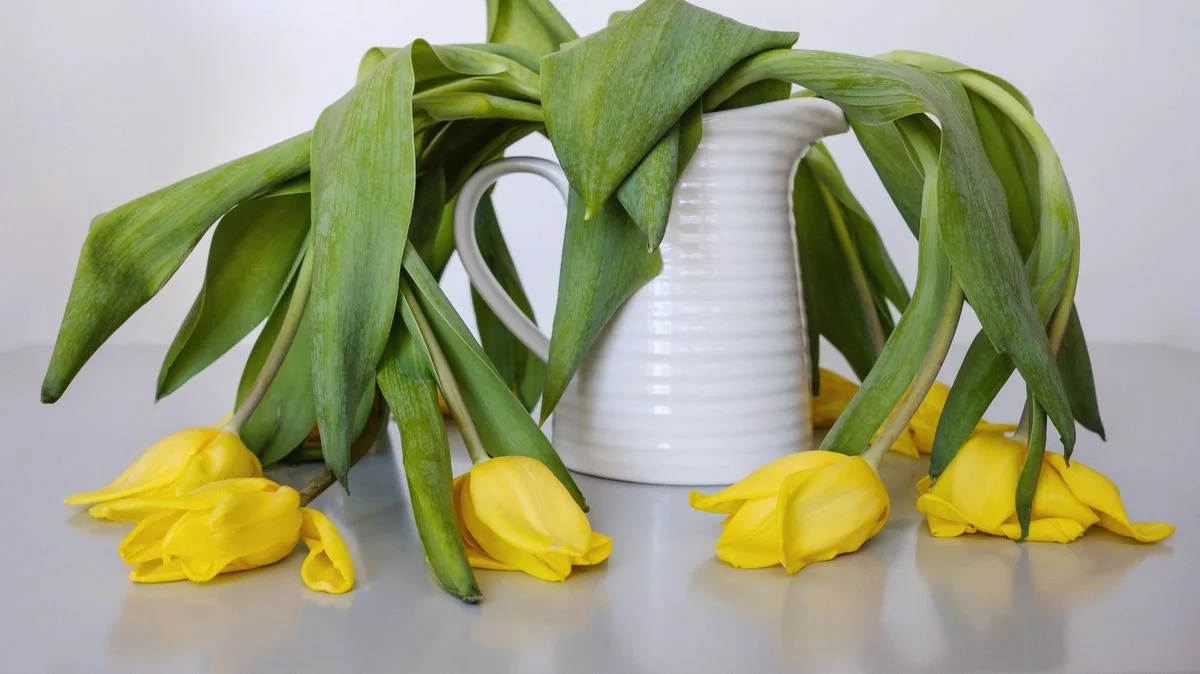
After six days, the results were clear. The vodka method performed the worst, with Bethany dubbing it the "biggest loser." The tulips in this vase were severely drooping, with stems so floppy they nearly touched the table. This vase actually fared worse than the control vase with plain water.

The control vase secured third place, performing slightly better than the vodka but still showing significant drooping. The penny method came in second, with tulips maintaining some rigidity in their stems and foliage.

The undisputed winner was the pin technique. Bethany explained, "For our big and very clear far and away winner: the pin method. That's right, putting one tiny air hole using a pin under the petals of your tulips can give you tulips that stand up nice and tall and strong."

Combining Methods for Even Better Results

In a follow-up experiment, Bethany tested combining the pin method with the penny trick by piercing the stems and adding a penny to the water. This combination performed considerably better than either method alone, suggesting that using both techniques together could yield the best results for keeping tulips upright.

If you have tulips at home this spring, consider trying the pin method or combining it with a penny for optimal longevity. These simple, cost-effective tricks could help your blooms stay perky and beautiful for longer.

Pickt after-article banner — collaborative shopping lists app with family illustration




