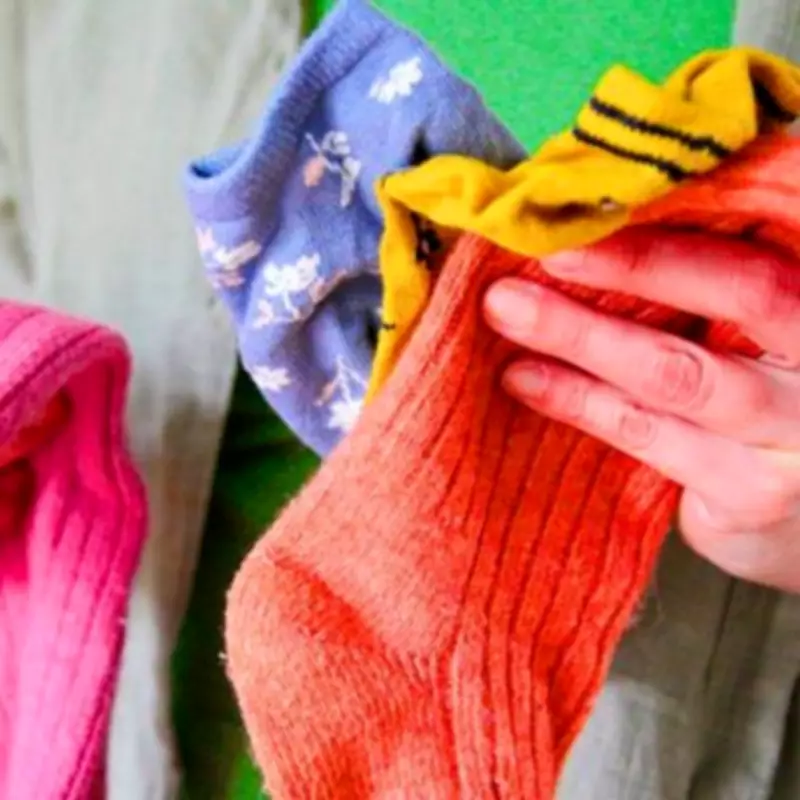
As spring arrives, bringing warmer weather and blooming flowers, many households face a common nuisance: a rapid accumulation of dust. This seasonal shift often leaves homes looking drab as dust particles, mingled with pollen, settle on surfaces. However, a surprisingly effective and eco-friendly solution lies in repurposing old socks for cleaning.
The Dust Dilemma in Spring
Dust can spread quickly during spring, originating from both indoor and outdoor sources. Indoors, it accumulates from skin cells, pet dander, fabric fibres, and food crumbs. Outdoors, pollen from blossoming flowers combines with dust, and when windows are opened for ventilation, this debris disperses inside, coating surfaces like skirting boards and window blinds.
Cleaning these tricky areas can be exasperating, but experts suggest a method that simplifies the task using an item most people have in abundance: old socks. Grace Micere, from Bare Kind, strongly endorses this approach, noting that old socks are adept at capturing dust to prevent its spread.

How Old Socks Trap Dust
Dust clings to surfaces due to static electricity, which often builds up on materials such as wood and plastic. Skirting boards, blinds, and wooden floors are particularly affected because they are near windows or lower surfaces where dust naturally settles. Rubbing these areas with an old sock creates friction, generating a minor static charge that attracts dust particles.
This process also reduces further static build-up, helping dust stay away for longer and keeping your home cleaner. It is advisable to use fuzzy or textured socks, as synthetic fibres generate more static electricity, making dust more inclined to stick to them.
Step-by-Step Guide to Using Old Socks for Cleaning
- Slip an old sock onto your hand like a glove.
- Dampen it slightly with water; this helps dust adhere better to the fibres and makes cleaning easier.
- Run your hand along the top and edges of dusty surfaces, such as skirting boards, radiators, and window blinds.
- After cleaning, shake the sock over a bin to dislodge the dust, then wash it in the machine for reuse.
For optimal results, wipe down surfaces once weekly during spring to minimise static build-up and prevent dust from entering your home. The effectiveness of this method depends on factors like how frequently windows are opened and local weather conditions, as wind can carry more dust and pollen indoors.
This simple hack not only tackles dust effectively but also promotes sustainability by giving old socks a new purpose, reducing waste while keeping your living space fresher and cleaner throughout the warmer months.