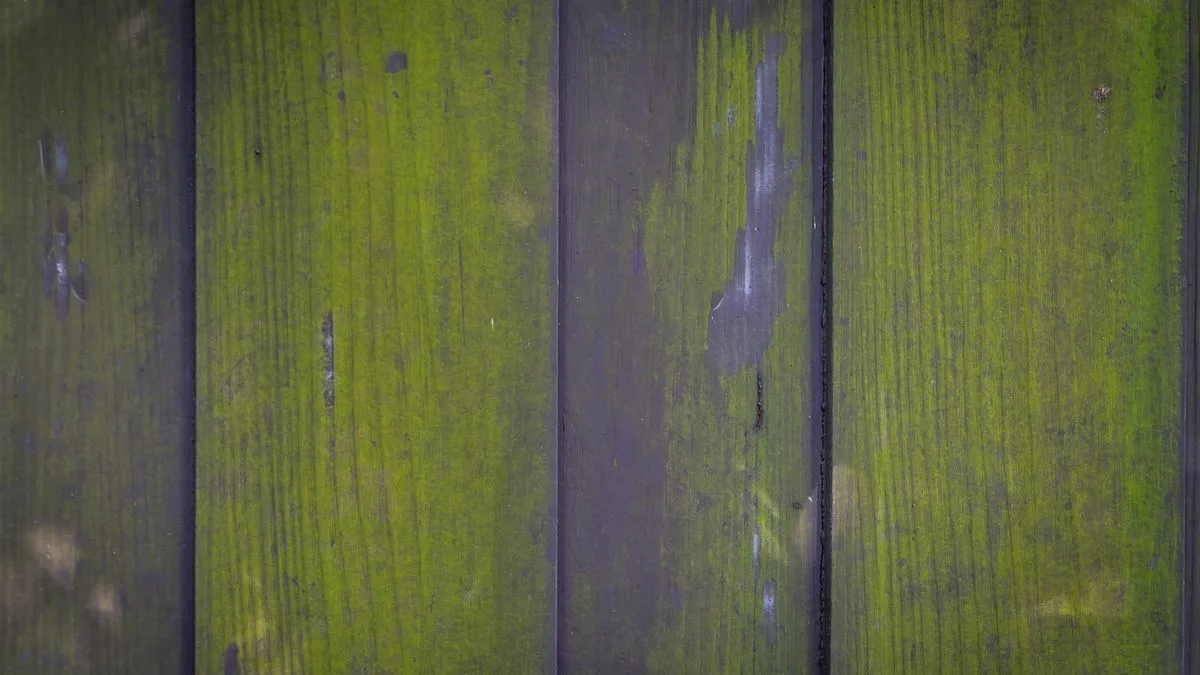
Green algae presents a persistent and unsightly problem for garden fences, but a remarkably simple and inexpensive solution exists to eradicate it completely. This common issue not only mars the appearance of outdoor spaces but can also lead to significant structural damage over time if left untreated.
The Hidden Dangers of Green Algae on Fences
Specialists at the renowned home improvement retailer B&Q emphasise that green algae is far more than a mere cosmetic concern. This organic growth actively contributes to the gradual deterioration of wooden fence panels, potentially necessitating expensive repairs or full replacements in the future. As the summer season approaches, homeowners are keen to address winter damage without incurring substantial costs.
Why Fences Are Particularly Vulnerable
Fences located in shaded areas of the garden are especially prone to algae proliferation. The combination of limited sunlight, inherent nutrients within the wood itself, and additional moisture from adjacent plants creates an ideal environment for algae to thrive and spread across the surface.
The Economical Cleaning Solution
Fortunately, combating this issue requires only a single, affordable household ingredient. A standard bottle of white vinegar, available for as little as 57 pence from supermarkets like Asda, serves as a powerful cleaning agent against fence algae, as reported by the Express.
Step-by-Step Cleaning Guide for Wooden Fences
For traditional wooden fences, a straightforward white vinegar solution proves highly effective at removing grime and algal stains. It is crucial to verify that any cleaning product is suitable for your fence material; composite or metal fences may require specific, non-damaging alternatives.
- Prepare the Solution: Mix one part white vinegar with one to two parts water. Increase the vinegar concentration for panels with severe algae buildup.
- Safety First: Before application, securely tie back and protect any nearby plants to prevent accidental harm. Always wear protective gloves and safety goggles during the cleaning process.
- Initial Test: Experts at B&Q recommend testing the mixture on a small, inconspicuous section of the fence to ensure it does not cause any discolouration or damage to the finish.
- Application: Using either a sponge or a spray bottle, apply the solution to the fence panel, working from the top downwards. Allow it to sit for 10 to 15 minutes, ensuring it does not dry out completely.
- Scrubbing: Employ a sponge or brush to work the cleaner into the wood using circular motions. Address small sections systematically until the green residue begins to lift and disappear.
- Rinsing: Thoroughly rinse the treated panels with a garden hose to remove all traces of the cleaning solution, thereby preventing streaking or potential long-term damage to the wood.
This method not only restores the fence's appearance but also helps preserve its structural integrity, ensuring your garden remains a bright and inviting space throughout the warmer months. Regular maintenance using this technique can prevent algae from re-establishing itself, saving both time and money in the long term.






