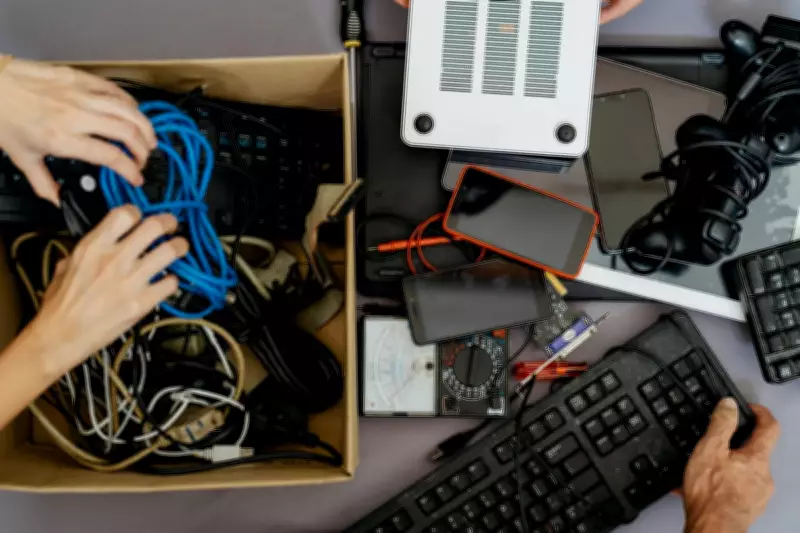
The Growing Problem of Electronic Waste
Millions of consumers across the globe have drawers and closets overflowing with outdated laptops, mobile phones, fitness trackers, and various other electronic gadgets they no longer use. The challenge of knowing where to recycle these items often makes the process seem costly and inconvenient. According to the most recent United Nations estimates, the world generated a staggering 137 billion pounds (62 million metric tons) of electronic waste, commonly referred to as e-waste, in 2022. Alarmingly, only about 22% of this massive volume was properly recycled. In the United States, the Environmental Protection Agency reports that less than a quarter of e-waste is recycled annually.
Why Proper E-Waste Disposal Matters
Diverting electronic waste from landfills is critically important because these devices contain materials that can pose significant environmental hazards. Electronics often include precious metals and rare earth elements that are difficult to source, making recycling economically valuable for businesses. Components such as steel, aluminum, copper, gold, silver, plastics, and even glass can be recovered and repurposed through proper recycling processes.
"The way that we’re creating and using and disposing of these devices has generated this completely unsustainable waste stream," explained Rick Neitzel, an environmental health sciences professor at the University of Michigan. "And there’s no signs of that abating at all. In fact, the trend continues to accelerate."

The Complexities of Electronics Recycling
While all recycling presents challenges, recycling electronic waste is typically more confusing than disposing of common items like plastic bottles or cardboard boxes. Standard containers can often be recycled curbside or in public bins, but determining where to take an electronic device usually requires research.
"Cardboard comes in many shapes and sizes, but at the end of the day, it’s still cardboard," Neitzel noted. "Electronics, on the other hand, can range from a small earbud to a large refrigerator, each with different materials inside."
Recyclers must efficiently extract each component and material, a process that is complex, energy-intensive, and expensive. However, the efforts are justified by both environmental and economic benefits.
John Shegerian, founder of Electronic Recyclers International, emphasized that keeping harmful materials out of landfills is a crucial incentive. "These electronics—which could and have historically ended up in our landfills or in other inappropriate places—can leak all the stuff that’s contained there within: Mercury, lead, cadmium, beryllium, arsenic. All these things are horrible if they get into our environmental ecosystem," Shegerian warned.
Preparing Your Devices for Recycling
Many consumers hesitate to recycle devices due to concerns about personal data stored on them. To protect your information, experts recommend starting with a factory reset rather than simply deleting files. Resets restore the device to its original settings and thoroughly remove data. It is essential to follow the manufacturer’s specific guidance, as each device has different steps. For example, wiping an Android phone requires different procedures than wiping an iPhone.
The Cyber Security and Infrastructure Agency provides guidance on data protection, including where to find manufacturer instructions. Even factory resets may leave traces of data, so some recyclers will shred a device's hard drive and verify its destruction before proceeding with recycling.
Options for Recycling and Reuse
If an item is relatively new and still functional, manufacturers may refurbish and resell it. Some charities and recyclers can also refresh devices for donation to those in need. Major electronics and computer manufacturers often offer buy-back programs or partner with drop-off sites. Apple, for instance, provides credit toward future purchases for eligible trade-ins and free recycling for older models.

Organizations like the Salvation Army and Goodwill Industries have donation programs that accept certain used electronics, but it is important to check with local stores to confirm what items they can handle. Consumers should avoid overwhelming these locations with items that cannot be sold or disposed of properly.
When Devices Reach the End of Their Life
Even if a device cannot be refurbished, manufacturers remain a good first point of contact. "The manufacturers are where we want this stuff to end up because they know their products, they know best and most efficiently how to recycle them," Neitzel stated.
Retailers such as Best Buy and Staples accept devices of all sizes for recycling. Best Buy also offers haul-away services for televisions and larger appliances for a fee when new models are purchased, collaborating with electronics recyclers. While local governments typically do not accept electronics in curbside recycling, many operate drop-off locations that can be found on their official websites.
"Typically, if you’re dropping them off at a government-run electronic waste collection station, you can be confident in that," Neitzel assured.
Online resources like Recycle Nation allow consumers to search for specific items and locate recycling facilities by zip code. Mail-in options are also available through companies like Amazon and Waste Management, where consumers can order boxes, fill them with items, and ship them back. Some programs may charge small fees, such as a few dollars per monitor or based on weight or vehicle load for in-person drop-offs.
The Broader Impact of Recycling
Terence Musho, an associate professor of engineering at West Virginia University, highlighted that recycling is vital for the domestic supply chain of minerals and rare earths, even when devices cannot be refurbished. He noted that improving mineral recovery processes and increasing recycling rates can benefit consumers in another significant way: "It can also potentially bring down the price of your future electronics."
Experts agree that if more consumers recycle their e-waste, it could help drive down the cost of some electronics. By responsibly disposing of old devices, individuals not only protect the environment but also contribute to a more sustainable and economically efficient electronics industry.