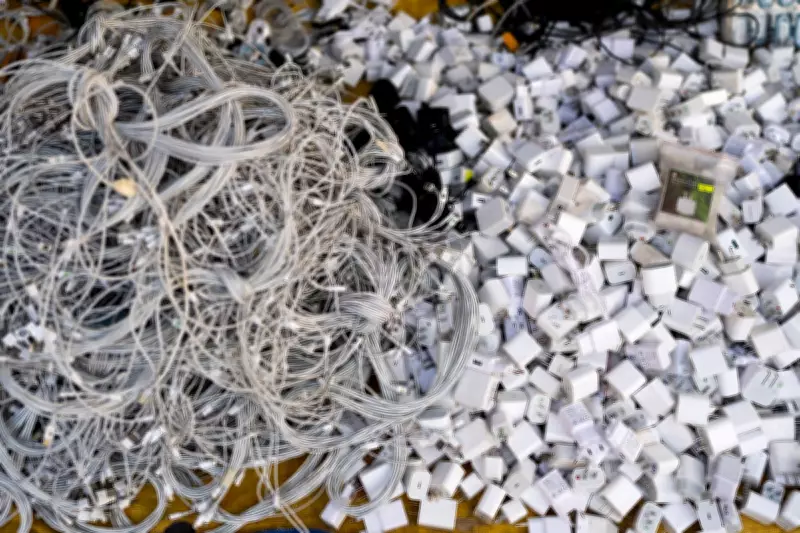
The Growing Problem of Electronic Waste
Countless households across the globe share a common habit: accumulating outdated electronic devices in drawers, closets, and storage spaces. From obsolete laptops and discontinued smartphones to forgotten fitness trackers and wireless earbuds, these items often remain unused for years. The primary reasons for this accumulation include uncertainty about proper disposal methods and perceived inconvenience or cost associated with recycling processes.
The Alarming Scale of E-Waste
Global electronic waste production has reached staggering proportions. According to the most recent United Nations estimates, humanity generated approximately 137 billion pounds (62 million metric tons) of e-waste in 2022 alone. Shockingly, only about 22% of this massive volume underwent proper recycling procedures. In the United States, the Environmental Protection Agency reports that less than one quarter of electronic waste gets recycled annually.
"The way we create, use, and discard these devices has created a completely unsustainable waste stream," stated Rick Neitzel, an environmental health sciences professor at the University of Michigan. "There are no signs of this trend abating. In fact, the acceleration continues unabated."

Why E-Waste Recycling Matters
Keeping electronic devices out of landfills represents an environmental imperative. These products contain hazardous materials including mercury, lead, cadmium, beryllium, and arsenic that can leach into ecosystems when improperly disposed. Simultaneously, electronics harbor valuable resources such as precious metals and rare earth elements that are increasingly difficult to source through traditional mining operations.
John Shegerian, founder of Electronic Recyclers International, emphasized the dual benefits: "Components including steel, aluminum, copper, gold, silver, plastics, and even glass can be recovered and reused. Preventing harmful materials from entering landfills represents another crucial incentive."
Practical Steps for Responsible E-Waste Disposal
Preparing Devices for Recycling
Data security concerns often deter consumers from recycling their electronics. Experts recommend performing a complete factory reset rather than simply deleting files, as this more thoroughly removes personal information. Each device requires specific procedures—Android phones differ from iPhones, for instance—so following manufacturer guidelines is essential.
The Cyber Security and Infrastructure Agency provides comprehensive data protection guidance, including where to locate manufacturer instructions. For maximum security, some recycling services physically shred hard drives and provide verification of destruction before processing remaining materials.
Refurbishment Opportunities
Newer devices in working condition may qualify for refurbishment programs. Many manufacturers operate buy-back initiatives where old equipment can be shipped back or dropped at partner locations. Apple, for example, offers trade-in credits for recent models and free recycling for older devices.
Charitable organizations like Salvation Army and Goodwill Industries accept certain used electronics, though consumers should verify specific needs with local stores to avoid overwhelming them with unusable items.
End-of-Life Device Options
When devices cannot be refurbished, manufacturers remain the optimal starting point for recycling. "Manufacturers know their products best and understand how to recycle them most efficiently," Neitzel explained.
Major retailers including Best Buy and Staples accept electronics of all sizes for recycling, with Best Buy offering haul-away services for televisions and large appliances (often for a fee when purchasing replacements). While municipal curbside programs typically exclude electronics, many local governments maintain dedicated drop-off locations that can be located through official websites.
Additional resources include Recycle Nation, which helps consumers find appropriate disposal sites by zip code, and mail-in programs from companies like Amazon and Waste Management that provide shipping boxes for convenient returns.

Cost Considerations and Future Benefits
Some recycling programs involve minimal fees, such as $5 per monitor or weight-based charges for drop-off services. Despite these small costs, the long-term benefits are substantial. Terence Musho, an associate professor of engineering at West Virginia University, noted that improved mineral recovery through recycling supports domestic supply chains and could potentially reduce future electronics prices for consumers.
As electronic consumption continues to expand globally, developing responsible disposal habits becomes increasingly vital for environmental protection and resource conservation.