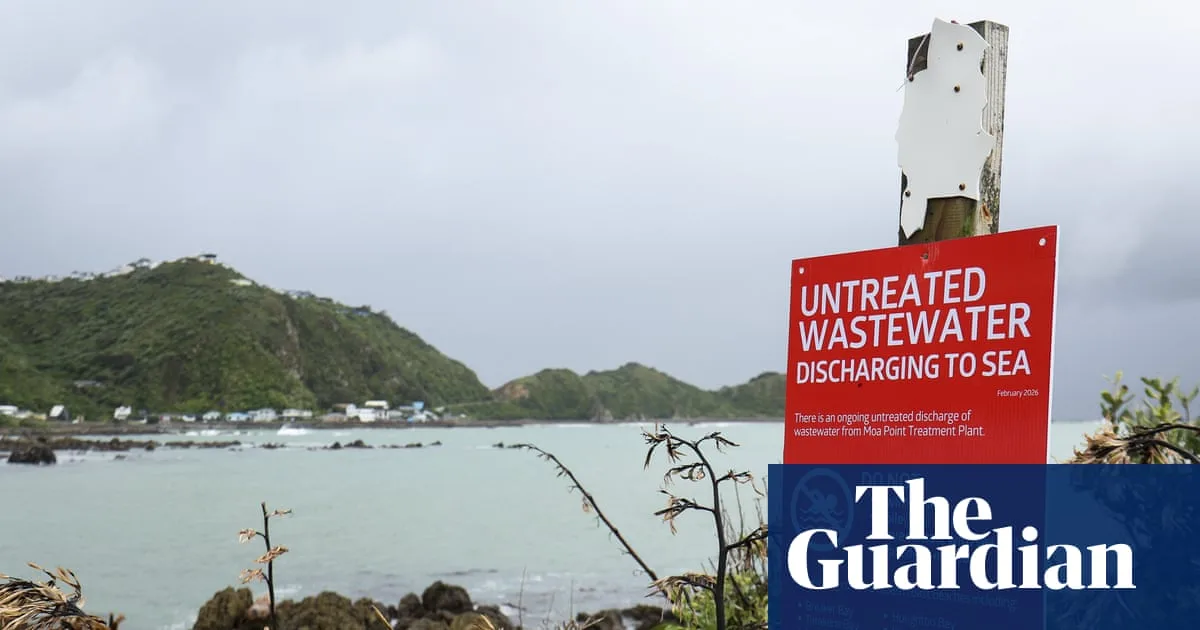
Officials in New Zealand's capital, Wellington, have announced that a fix to halt millions of litres of sewage spilling into coastal waters will be in place by November, with full repairs costing NZ$53.5 million expected by late 2027. The catastrophic failure of the Moa Point wastewater treatment plant on 4 February has resulted in untreated human effluent being discharged directly into the Pacific Ocean for over 100 days.
Mayor's Announcement
Wellington Mayor Andrew Little stated on Wednesday that the plant would be operational again within six months, with all major repairs completed by November. At that point, effluent removal and treatment would be mostly complete, and water quality would improve to the highest level within weeks. Little expressed confidence in the timeline, aiming to reassure businesses on the South Coast that have faced significant disruption.
Full Restoration Timeline
Full restoration of capacity and a fix for the design flaw that caused the failure are scheduled for completion by late 2027. The announcement comes as residents and businesses express mixed feelings, with concerns about ongoing risks to human and marine health.
Community and Business Impact
Nicole Miller, chair of the trust supporting the Taputeranga marine reserve, highlighted worries about wildlife such as penguins, dolphins, and fish ingesting raw sewage. Steve Walters, general manager of Destination Kilbirnie, expressed disappointment with the extended timeline, noting that the 24 most affected businesses, including diving and water recreation companies, had projected losses of NZ$3-4 million if the plant was fixed by September. Some may now not survive winter. Walters criticised a council business subsidy of NZ$200,000 as insufficient, with legal action under consideration.
Investigation and Causes
An independent crown review is due in August, with two damage reports indicating that an air bubble in a pipe likely contributed to flooding at the treatment plant, destroying 80% of equipment. Since February, sewage has been flowing into Cook Strait, and during rain, it appears just metres offshore, closing beaches.
Water Utility Response
Charles Barker, chief operating operator of Wellington Water, stated the organisation is working "incredibly fast" on the complex plan, acknowledging the scale of the task. He emphasised the rebuild would focus on preventing a recurrence, noting that there had been no prior indication of failure over 30 years. The chance of flooding will be eliminated once work is complete.
Governance and Reforms
The Moa Point facility is owned by two layers of local government and managed by Wellington Water, which contracts Veolia to operate the plant. On 1 July, a new entity, Tiaki Wai, created by the government under water reforms, will take over the region's water assets. The disaster coincides with a Climate Change Commission report highlighting water infrastructure as at major risk during increasing storm events.

Local Government and Climate Change Minister Simon Watts shared residents' frustration, attributing the issue to "historic underinvestment" and pledging reforms, including new environmental standards. He acknowledged the challenge would take time due to sector constraints and financial impacts.
Health Concerns
Local surfer Simon Hurley described addiction to surfing despite health risks, while others reported gastroenteritis, fatigue, chills, and mouth ulcers, nicknamed "sea ulcers." Official advice states health risk is low unless it has rained, but Otago University epidemiologist Simon Hales warned that tides, currents, and winds can push effluent back into bays, and ingesting tiny amounts of bacteria or viruses can cause severe illness.
South Coast resident Jamie McCaskill, from Ngati Tamaterā iwi, has dived for seafood in the area for over two decades. He expressed grief over the change in his relationship with the ocean and the impact on his grocery bill, feeling forgotten. Meanwhile, business owner Jane Fahy, living 200 metres from the beach, tries not to think about bacteria on her windows, which she once called "beach glitter."