Ukraine responded to Donald Trump's deal to lift sanctions on Russian diesel by launching a series of massive strikes on Vladimir Putin's oil infrastructure overnight. The US president's agreement to buy almost two million tons of Russian oil reportedly 'blindsided' Ukraine's leader Volodymyr Zelensky.
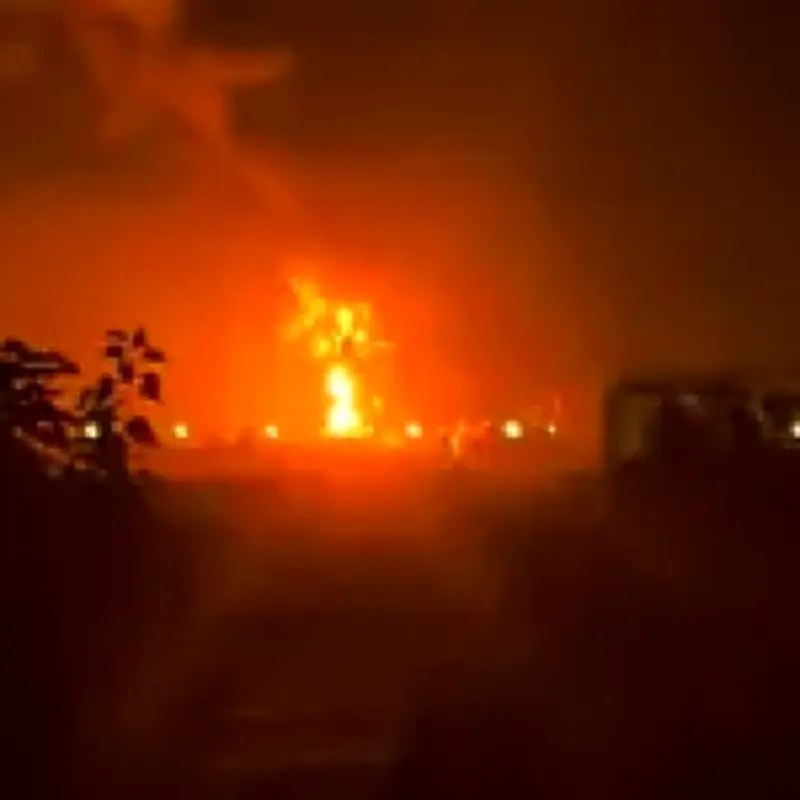
The strikes targeted the Yug Rusi oil-loading terminal in Rostov-on-Don with a massive drone attack, while an enormous blaze was photographed at the nearby Novoshakhtinsk oil terminal. Two tankers in the Sea of Azov were also attacked, and a railway bridge used for transporting oil from Rostov-on-Don was damaged, halting traffic.
Deal fears and US pressure
Ukraine fears the deal could fund Russia's war effort with more than £3 billion. According to Axios, Mr Trump's decision to lift sanctions came after Ukraine ignored US requests to stop striking Moscow's oil refineries, a tactic that has contributed to soaring prices worldwide. A US official was quoted saying: 'Zelensky is misreading the room. By continuing to hit refineries, he is eroding the good will that he has built with Trump over the last six months.'
Overnight Russian strikes on Ukraine killed at least seven civilians. Mr Zelensky branded the Trump-Putin deal 'weak' and 'unworthy', stating: 'Russia is weaker on the front lines than at any other time during the war. That is why Putin relies on terror. That is why he relies on attempts to reach backroom deals for one concession or another, to buy more time and opportunities for the war. Any weakening of sanctions against Russia without a clear and lasting de-escalation agreement with Russia is an obvious sign of weakness.'
Economic and political impact
Polls suggest Mr Trump is facing disaster in midterm elections next month, with US voters furious at soaring prices caused by his war with Iran. Diesel prices have hit record levels, hammering struggling US haulage and agricultural companies. Mr Trump posted that the Russian deal will see 300,000 tons of diesel released immediately 'to the American and global marketplace', followed by 500,000 tons in November and another million after that.
The move has been criticised by allies, while experts have questioned whether the quantities involved will make a difference to prices in America. The US consumes more than three million tonnes of diesel a day, more than the entire quantity it has agreed to let Moscow sell.
Reactions and criticism
Ukrainian former vice PM Ivanna Klympush-Tsintsadze compared the Trump-Putin deal to funding Al-Qaeda leader Osama Bin Laden. She told BBC Radio 4's Today: 'If we asked every single American would they be fine if Donald Trump was buying, say if it was available, diesel from Osama Bin Laden and they were fine with this then something is profoundly wrong with the United States of America. It is an unacceptable and totally painful move on the part of the American president and it also goes against the interests of the US itself and the European community.'
A UK government spokesman said it would continue 'to maintain pressure on Russia through the toughest sanctions regime ever imposed by the UK, increasing the cost of Putin's aggression and supporting efforts to secure a just and lasting peace'.