The Shocking Reality of the UK's Sewage Pollution Crisis
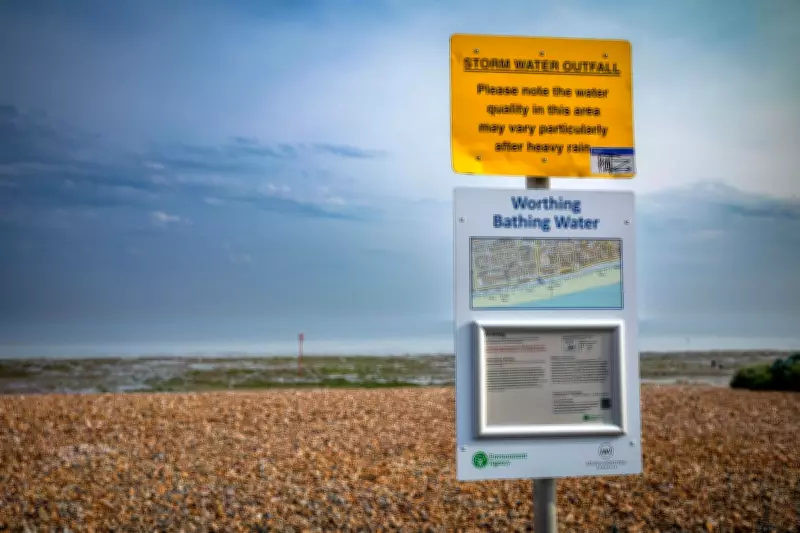
England's waterways faced a staggering 291,492 sewage spills from storm overflows in 2025, with incidents occurring approximately every two minutes, according to recent data. This figure, while alarming, represents a significant 35% decrease in spill incidents and a nearly 50% reduction in total spill duration compared to the previous year, 2024.
Factors Behind the Reduction
The Environment Agency and water companies have largely attributed this improvement to unusually dry weather conditions throughout 2025, which reduced the strain on sewer systems. Additionally, increased infrastructure investment by water firms has played a role in mitigating some of the overflow issues. However, experts caution that these factors may not fully address the underlying problems in the long term.
Government and Campaigner Responses
Water minister Emma Hardy acknowledged the reduction in spills but emphasised that an 'unacceptable amount of sewage' continues to pollute the nation's rivers, lakes, and seas. She highlighted the ongoing need for stricter regulations and further investment to protect water quality and public health.

Campaign groups, including Surfers Against Sewage, have criticised water companies for 187,000 hours of 'dry day' spills in 2025, where overflows occurred without significant rainfall. They also reported a significant increase in sewage alerts for bathing waters in early 2026, suggesting that the crisis may be worsening despite the recent drop in numbers.
Implications for Public Health and Environment
The persistent sewage pollution poses serious risks to both human health and aquatic ecosystems. Key concerns include:
- Contamination of drinking water sources
- Harm to wildlife and biodiversity in rivers and coastal areas
- Increased health hazards for swimmers and other water users
- Long-term damage to tourism and local economies dependent on clean waterways
As the UK grapples with this environmental challenge, calls for more robust action from policymakers and water companies are growing louder. The data underscores the urgent need for sustainable solutions to prevent future spills and safeguard the nation's precious water resources.