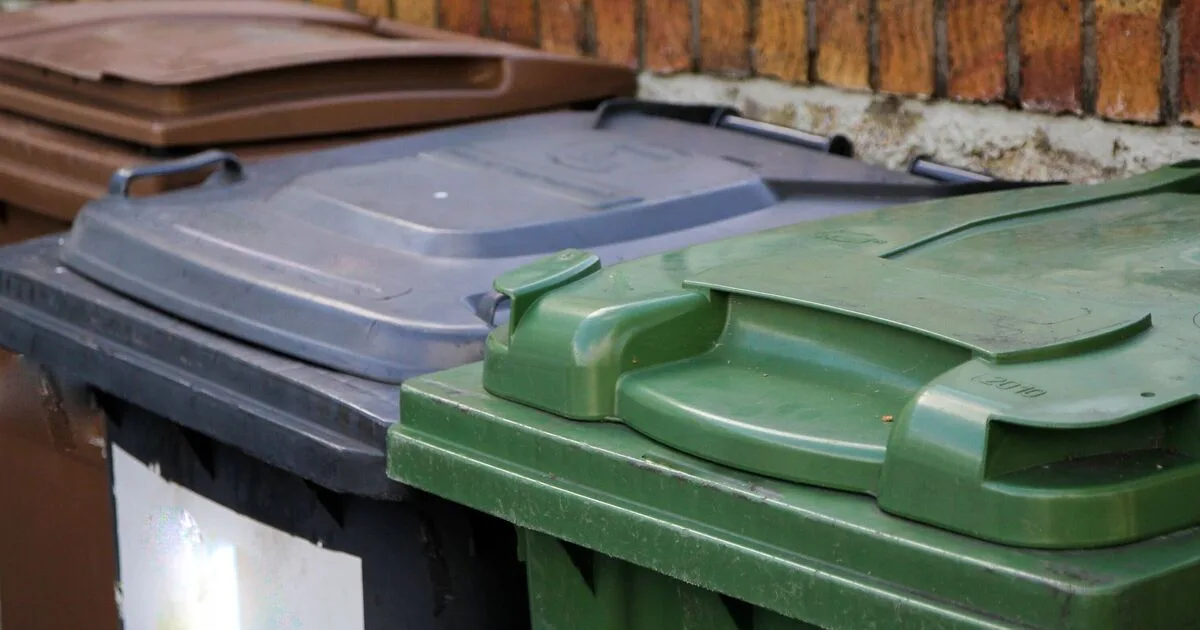
Two everyday kitchen staples, used by most Brits daily, have been prohibited from bins under fresh regulations being rolled out across English councils. Guidelines on which types of food and garden waste can be recycled have long varied between regions, causing significant confusion and, consequently, substantial amounts of contaminated waste ending up in landfill.
Government Introduces Standardised Recycling System
To tackle this issue, the Government has instructed councils to introduce a new standardised system, hoping to eliminate the refuse 'postcode lottery.' From March 31, some councils have already confirmed they will empty black bins less often. The objective of this overhaul is to establish a more uniform system throughout England.
Food and Garden Waste Must Be Separated
Food and garden waste must now be separated for collection. While 10 garden waste items have been removed from the mandatory collection list, two are especially unexpected. Councils 'do not need' to collect tea bags any longer. Instead, they can be composted at home, or residents can transport them to their local waste recycling centre.
The Simpler Recycling scheme could also mean general garden waste remains uncollected for considerably longer than before. Councils retain authority over garden waste bin collection frequency, though it's recommended they're emptied every 36 weeks. Nevertheless, this new arrangement could prolong the process, forcing households to wait up to eight or nine months.
Warnings for Households
Despite this, householders have been warned not to overlook the new regulations, as they risk having their bin collections suspended. Certain councils are exempt from the new rules until at least 2040, making it absolutely vital that residents check with their local authority to find out whether the changes apply to them.
Background of the Reforms
The UK's Simpler Recycling reforms were originally brought in under the Environment Act in 2021, and will affect businesses, households, flats and houses. Under the new system, there are four waste streams. Food and garden waste are grouped together, as are paper and card. Other dry recyclable materials such as glass, metal and plastic will have a dedicated bin, while a separate bin will be reserved for residual waste, reports the Express.
List of Garden Waste Councils Do Not Need to Collect
- Animal bedding
- Bulky waste (including garden furniture and fencing)
- Garden tools or other gardening equipment
- Plant pots
- Plastics
- Sand
- Sawdust
- Stone, gravel or brick
- Tea bags or coffee grounds
- Branches and trees over a certain size may have to be cut into smaller pieces to follow local guidance