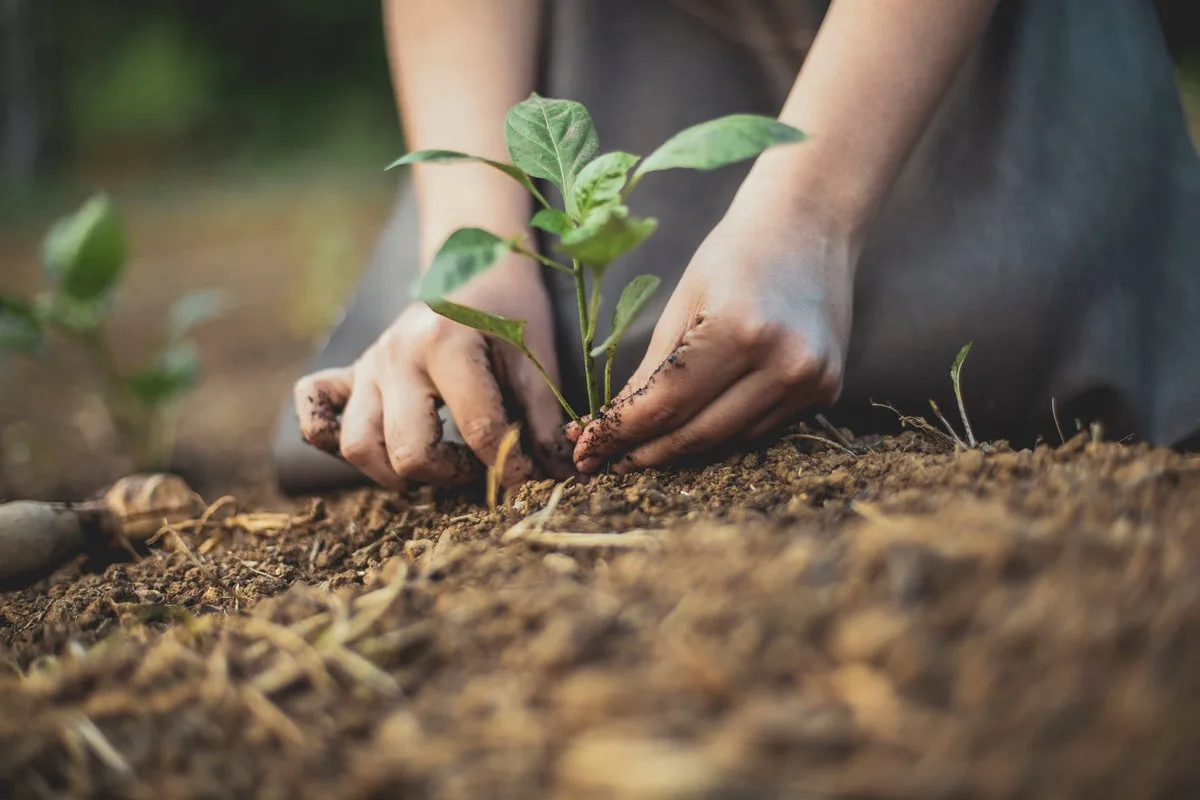
Many careful gardeners do not realise that their gardens can harbour a hazard that organic methods alone may not prevent: lead. While skipping pesticides, removing weeds by hand, and choosing heirloom seeds provide comfort, lead contamination remains a hidden threat.
Where Does Lead Come From?
Lead has no safe level of exposure and is present in the soil of many urban gardens. Sources include historical emissions from leaded gasoline, deteriorating lead-based paint seeping into soil around older buildings, and industrial activities such as mining. Although leaded gasoline has been eliminated globally, deposited lead persists because it does not degrade over time.
How Lead Affects Health
Lead has no function in the human body and is harmful in any concentration. Adults absorb around three to ten per cent of ingested lead, but those fasting or malnourished may absorb up to 60 to 80 per cent. Children absorb up to 50 per cent, or up to 100 per cent on an empty stomach. Lead accumulates primarily in bones and teeth for adults, while in children a greater proportion is absorbed in soft tissues, causing earlier health problems. Long-term exposure can cause irreversible effects on the brain, nervous system, kidneys, and cardiovascular system. Globally, lead exposure causes 1.5 million deaths and over 33 million years of healthy life lost to disability annually.
Environmental Injustice
Low-income and racialised communities often experience disproportionate lead exposure, an example of environmental injustice. Despite these risks, gardens remain vital sources of healthy food, especially for economically marginalised groups. Gardens enhance well-being, strengthen immune function, support emotional stability, and foster empathy. For Indigenous Peoples and other groups with agricultural histories, gardens contribute to cultural continuity.
How to Make Your Garden Safer
Lead can enter plants from air or soil. Leafy greens and root vegetables are more likely to absorb lead. Here are simple steps to reduce risk:
- Position your garden away from busy roads, parking areas, railways, waterways, and industrial sites.
- Test your soil for lead by sending a sample to a lab.
- Use raised beds or pots with fresh soil if contamination is suspected.
- Apply high-quality compost to help prevent lead moving into produce.
- Maintain soil pH using a meter; avoid overly acidic soil.
- Avoid sandy soils that encourage lead movement; prefer soils with iron oxides (red/yellow) or high organic matter (dark black).
- Use mulch like wood chips or decaying leaves to block airborne lead.
- Do not burn waste near the garden, as open burning releases lead.
- Prevent young children from putting soil in their mouths.
- Wash fruits and vegetables with clean water before eating.
Accountability
The biggest action is holding governments accountable for clean communities. Contact local representatives or join causes demanding tighter regulations and improved planning policies. For many families, a garden is where meals come from. Lead exposure is preventable with the right measures.