
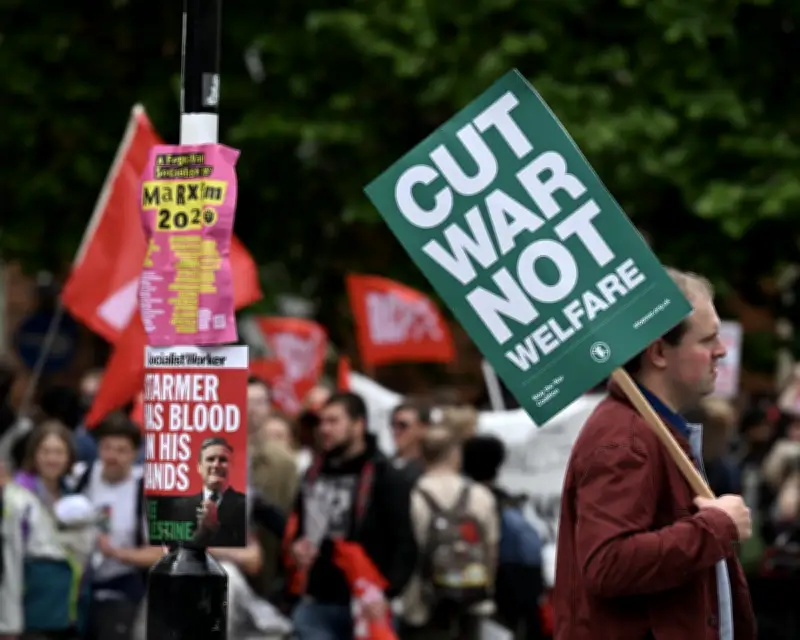
Welfare spending is often portrayed as a burden on the economy, but a closer look reveals it as a crucial investment in the well-being of citizens and the nation's prosperity.
The Economic Case for Welfare
Contrary to popular belief, welfare programs do not simply drain resources. They provide a safety net that enables people to weather economic shocks, maintain consumption, and contribute to overall demand. This stabilizes the economy during downturns and supports long-term growth.
Moreover, welfare spending reduces poverty and inequality, which have been shown to have positive effects on social cohesion and public health. A healthier, more educated population is more productive, driving innovation and competitiveness.
Beyond the Bottom Line
Welfare is not just about economics; it is a moral imperative. A society that cares for its most vulnerable members is stronger and more just. By ensuring that no one is left behind, we uphold the values of fairness and solidarity.
Investing in welfare also reduces long-term costs associated with crime, homelessness, and poor health outcomes. Prevention is more effective and humane than cure.




