
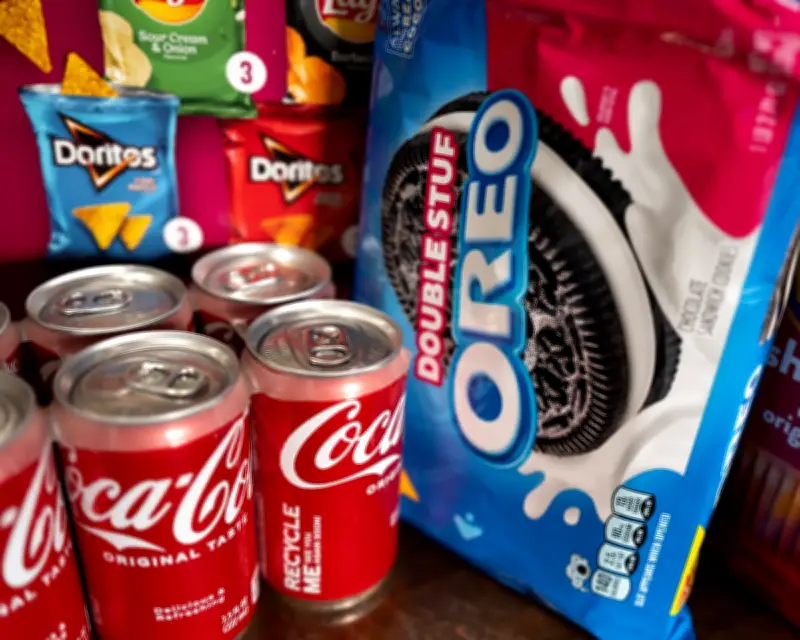
Ultra-processed food (UPF) companies have filed at least 235 lawsuits against governments in Mexico, Colombia, Brazil, the US and the UK since 2010 to challenge health policies targeting junk diets, a global investigation has found.
Key findings
Three-quarters of the lawsuits were filed by UPF manufacturers or trade associations. Among the identifiable plaintiffs, 38% were brought by eight parent corporations: Coca-Cola, PepsiCo, Mondelēz, Kellogg's, Danone, Ferrero, Xignux and Heartland Food Products Group.
Most cases were filed in Mexico (193), followed by Colombia (18) and Brazil (17). There were six lawsuits in the US and one in the UK. Of the resolved cases, three-quarters were won by governments, but the legal battles lasted a combined nearly 600 years, delaying implementation of policies.
Impact on public health
Experts say the lawsuits prolong the public health crisis and cost countries billions in legal and healthcare costs. Marion Nestle, professor of nutrition at New York University, said the tactics mirror those of the tobacco industry: “When all else fails, sue.”
Chris van Tulleken, author of Ultra-Processed People, said UK regulations are so weak because industry helped design them, leading to “complete policy paralysis” due to fear of litigation.
Industry response
A Coca-Cola spokesperson said the company believes in collaboration on public health challenges. Ferrero said its engagements concerned clarity around policy implementation, not opposition to health objectives. Danone said it is committed to constructive dialogue with policymakers. PepsiCo, Mondelēz, Kellogg's, Xignux and Heartland did not respond to requests for comment.




