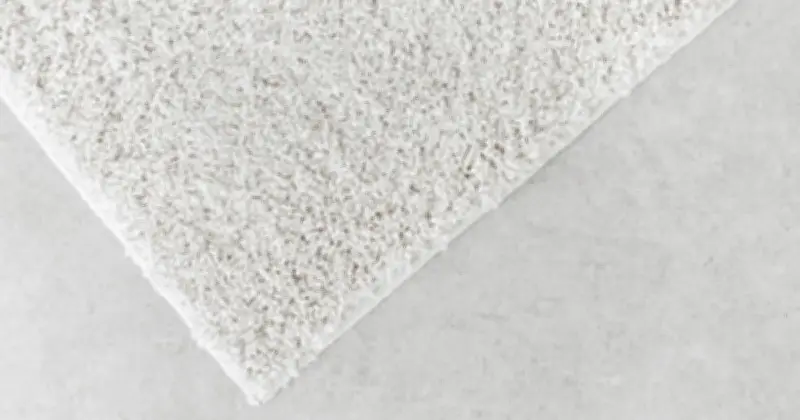
UK households are being advised to place rugs over certain types of flooring to help keep homes warm and reduce energy bills this winter. The tip comes as the Ofgem energy price cap increased by 4% on October 1, meaning a typical household paying by Direct Debit on a standard variable tariff in England, Scotland and Wales will now pay £1,723 a year.
Rugs act as a thermal barrier
Home Energy Scotland has listed several steps to prepare for the clocks going back on October 25, including laying a rug over stone, vinyl or laminate flooring. Rugs act as a thermal barrier on floors, which may be more effective than many realise.
While heat can escape through gaps in doors and windows and cracks in walls, much of it can also escape through floors. Certain types of flooring, such as stone, vinyl and laminate, pull heat out of a room, and a good rug can help stop that process.
Choosing the right rug
A rug will not heat a home completely, but it can help keep heat in for longer, potentially reducing the time heating needs to be switched on and lowering energy bills. The effectiveness of the method depends on the rug chosen, with high-pile rugs among the most effective.
Essentially, the denser the rug, the better it will be at retaining heat. Synthetic rugs can help but will not be as effective as thick rugs. Carpeted floors provide more constant heat retention, but a rug is a good substitute for wood, tiled or laminate flooring.
Other heat-retention tips
Another trick for retaining heat is to close blinds and curtains before the sun goes down, allowing a room to trap the heat it naturally gains from the day's sunshine.