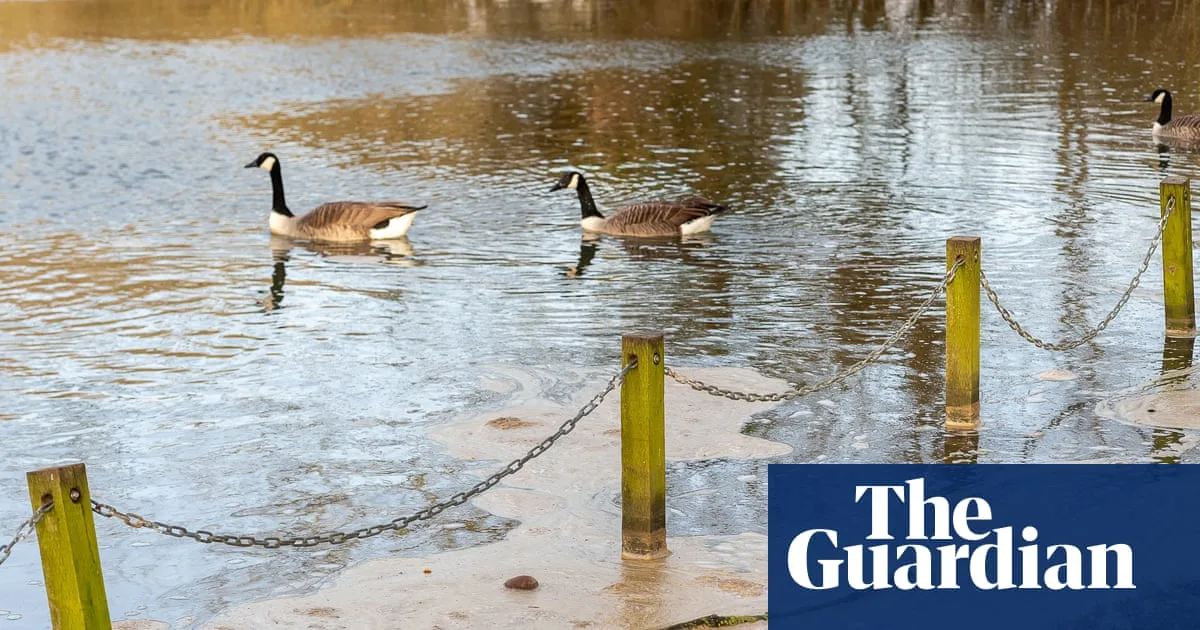
Sewage Spills in England's Rivers and Seas Near 300,000 Times in 2025
Sewage Spills in England's Rivers and Seas Hit 300,000

Sewage Spills in England's Rivers and Seas Near 300,000 Times in 2025

Raw sewage was discharged into England's rivers and seas almost 300,000 times last year, according to new data released by the Environment Agency. This occurred despite the country experiencing its driest spring in over a century and the warmest year on record, raising serious concerns about the state of water infrastructure and environmental protection.

Discharge Statistics and Environmental Impact

Water companies released raw sewage from storm overflows a total of 291,492 times in 2025. While this represents a 35% reduction from the record spills in 2024, with average discharges dropping to 20.5 spills per overflow from 31.8 the previous year, the duration of these discharges fell by more than half to 1.8 million hours. However, campaigners point out that this still amounts to nearly 1 million hours more than in 2018, underscoring long-term investment failures.

Richard Benwell, chief executive of Wildlife and Countryside Link, an umbrella group of 66 environmental charities, stated, "When sewage is pouring out even in a dry year, you really know the system is broken. These aren't stormwater overflows; they're all-weather waste pipes. Rivers, lakes and seas should not be pressure valves for pollution."

Wide Pickt banner — collaborative shopping lists app for Telegram, phone mockup with grocery list

Illegal Discharges and Public Health Risks

Michelle Walker, technical director for the Rivers Trust, highlighted that many of these discharges during drought conditions were likely illegal and posed severe risks. "We expected to see a lower number of untreated sewage discharges in 2025 as it was such a dry year, but this should not be mistaken for progress," she said. "Far too many of these discharges will be happening on dry days and therefore be illegal. The impact is worse when rivers are low, making pollution more concentrated and dangerous for ecosystems and public health."

Industry Response and Investment Plans

Water UK, the industry body, acknowledged the role of dry weather in reducing spills but attributed improvements to record investments. "Sewage spills are awful and we are working to end them as fast as we physically can," a spokesperson said. "While the dry weather in 2025 will have led to fewer spills, we are also starting to see the effect of a tripling of water company investment. By building bigger storm tanks and expanding capacity, we will halve spills over the next five years." This investment, totaling £104 billion, is funded through increased customer bills, with average rises of 36% over five years.

Regional Variations and Company Performance

South West Water recorded the longest discharge duration at 407,000 hours, followed by United Utilities at 327,000 hours and Yorkshire Water at 285,000 hours. In Yorkshire, a hosepipe ban was imposed for five months due to extreme dryness, and the water company was downgraded for increased pollution incidents. Karen Shackleton of the Ilkley Clean River Group criticized the report, saying, "Today's report creates a cover for water companies' illegal pollution and neglect. This is not a good news story."

Government and Regulatory Stance

The Environment Agency emphasized that sustained investment is crucial for lasting improvements, while Water Minister Emma Hardy commented, "It is good to see that storm overflow spills are down since the previous year, but there is still an unacceptable amount of sewage entering our waterways and a long way to go in cleaning up our rivers, lakes and seas." The data reveals a complex picture of progress amid ongoing challenges, with calls for stronger oversight and accountability to protect England's water bodies from pollution.

Pickt after-article banner — collaborative shopping lists app with family illustration




