
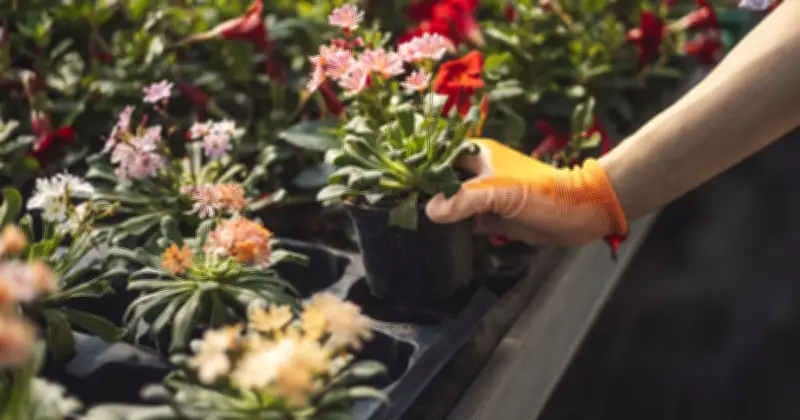
The Royal Horticultural Society (RHS) advises gardeners to move tender plants indoors when temperatures drop below 12°C, with conservatories offering the ideal environment for overwintering sensitive species.
Conservatory options for overwintering
According to an article on the RHS website, a conservatory is the ideal place to house plants from now until the weather warms back up. In frost-prone areas, it provides the perfect environment for plants that are especially sensitive to cold and need good light levels alongside dry conditions.
Tropical plants and exotic crops that thrived outdoors during the summer are best moved indoors during autumn and winter to improve their chances of surviving to spring.
Temperature guidance for different plants
A heated conservatory kept at around 15-20ºC is ideal for plants such as begonias, brugmansia, gardenias, pelargoniums, and fuschias, as well as any others that might need higher temperatures to thrive.
An intermediate and cheaper alternative is to leave the conservatory unheated, keeping it at around 10ºC. This is perfect for plants such as Hibiscus rosa-sinensis, plectranthus and plumbago, and, if watered sparingly, bougainvillaea, citrus and clivia.
Anything above 5-7ºC is enough to protect container-grown climbers such as Jasminum polyanthum, tender salvias, echiums, and other tender southern hemisphere plants such as cordyline and callistemon. Other plants strong enough to be kept on windowsills include succulents like agave and echeveria, or bulbous plants like freesia and nerine, which need to be kept dry throughout winter.
Safe moving and aftercare
To move plants safely, lift them carefully with a border spade or fork, keeping the root ball as intact as possible. After shaking off excess soil, trim the stems back and repot them in fresh compost. Light trimming and removal of dead or diseased leaves may also be needed.
The RHS also recommends checking plants for signs of soil-dwelling pests, fungal issues, bugs, scale insects and aphids before the move. Plants can be damaged even when left outdoors under cover, so it is worth keeping an eye on weather forecasts.
Finally, pay close attention to watering frequency, since plants need noticeably less water when it is colder. Browning leaf tips or yellowing edges, usually signs of dehydration, can also be attributed to low humidity. Before accidentally drowning plants, try misting foliage regularly or grouping them together to help retain humidity.




