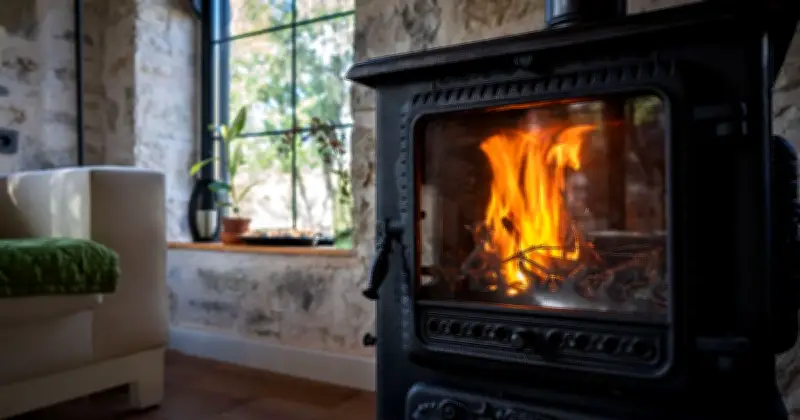
Households in England with log burners face charges of £175 this winter if appliances are used incorrectly, following a law change. Most of England's towns and cities sit within smoke control areas, where releasing smoke from a chimney is prohibited, and only authorised fuel can be burned unless an exempt appliance approved by the Department for Environment, Food and Rural Affairs (Defra) is used.
Penalties for Smoke Emissions
Under section 19A of the Clean Air Act 1993, homes in smoke control areas face fines from £175 for emitting too much smoke from a chimney, with charges rising up to £300 in some cases. The law states that new log burners can emit just 3g of smoke per hour, down from 5g previously.
The figure was lowered after the Government banned the sale of house coal and wet wood in 2002 as part of efforts to cut emissions and encourage the use of greener fuels.
Authorised Fuels and Exempt Appliances
In smoke control areas, only fuels on Defra's list of authorised fuels can be burned, including anthracite, semi-anthracite, and gaslow volatile steam coal, unless a Defra-approved appliance is used. Households can be fined up to £1,000 for using unauthorised fuel in an appliance not on Defra's exempt list.
Unauthorised fuels, such as wood, can only be burned in exempt appliances like some boilers, cookers, and stoves, and only the types of fuel the manufacturer specifies can be used.
Defra Advice and Health Impact
Defra said: "A smoke control area is a legally defined area where you cannot emit smoke from a chimney. You can be issued a financial penalty of between £175 to £300 if you break this rule."
Defra added: "You must not buy an unauthorised fuel for use in a smoke control area unless it is to be used in an exempt appliance. You can be fined up to £1,000 if you break this rule."
Households are warned to only use certified fire logs in burners and to monitor the stove's glass for small cracks or excess damage. Burning traditional house coal or wet wood is a major source of the pollutant PM2.5, which can enter the bloodstream and lodge in lungs and other organs, identified by the World Health Organisation as the most serious air pollutant for human health.
Any household with a log burner or open fire is now required by law to buy cleaner alternative fuels, such as dry wood and manufactured solid fuels, which produce less smoke. Burning dry wood produces more heat and less soot than wet wood and can reduce emissions by up to 50%.
In its advice to households, Defra added: "Check if you are in a smoke control area. Think if you have to burn. Ensure you only use the correct appliance or fuel. Maintain stoves and sweep chimneys. Install a carbon monoxide monitor, this will alert you to dangerous fumes and reduce your risk of carbon monoxide poisoning."