Mysterious Lake District Barn Joins Elite Heritage List as Grade II* Landmark
Lake District Barn Gains Grade II* Heritage Status

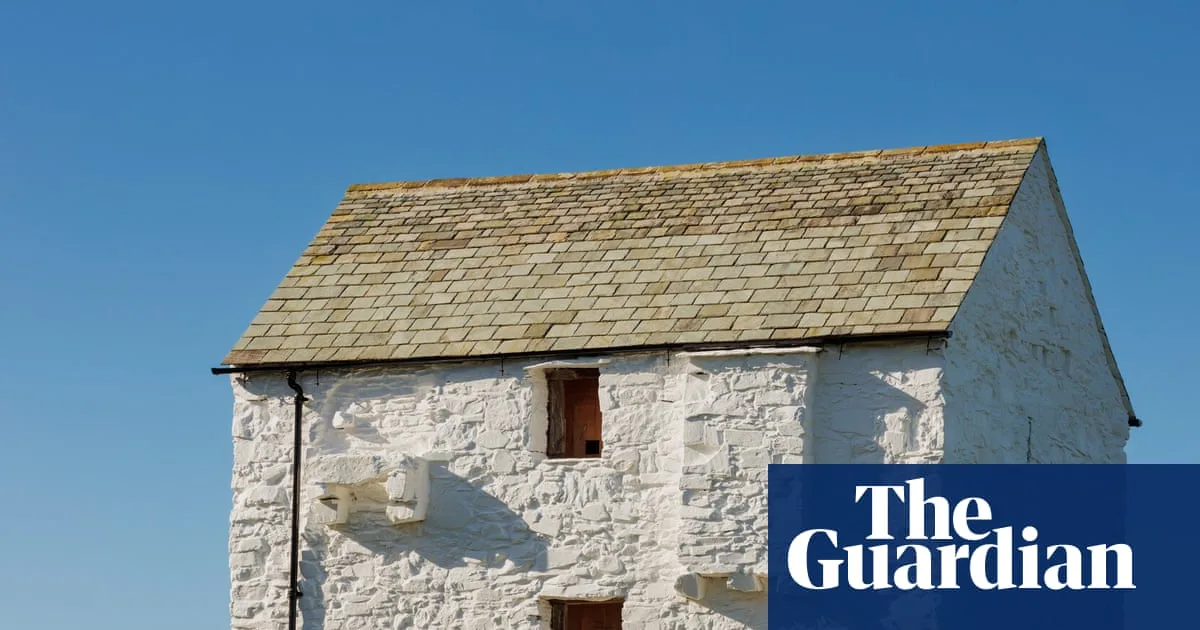
In a significant development for England's architectural heritage, a mysterious barn nestled in the Lake District has been granted Grade II* listed status, placing it among the nation's most treasured landmarks. Known as Henry's Castle, this limestone rubble structure near Kendal is believed to date back to the 14th century, though its original purpose remains shrouded in mystery. The Department for Culture, Media and Sport, acting on advice from Historic England, has elevated the building to this elite category, which includes only 5.8% of listed structures in England, signifying "more than special interest."

Unraveling the Enigma of Henry's Castle

Recent research has uncovered that Henry's Castle exhibits hallmarks of a high-status building, challenging its long-held identity as a mere field barn. Despite its recent use as a shelter for sheep and cows, the structure features a corbelled chimneystack and garderobe, along with interior plastering and limewashing, suggesting a more sophisticated past. Sarah Charlesworth, Historic England's listing team leader, remarked, "Henry's Castle is one of those rare buildings that raises more questions than it answers. This mystery is part of what makes it so compelling."

Architectural Marvels and Restoration Efforts

Over the past four years, a dedicated team of archaeologists, architects, and conservation engineers has undertaken extensive restoration work to rescue and repair the building. Its most remarkable feature is an oak roof structure, described as "a precisely hand-finished, chamfered and pegged central truss of a type associated with high-quality carpentry of the 14th or 15th centuries." This craftsmanship indicates that the building was originally constructed for a purpose far beyond agricultural storage.

Wide Pickt banner — collaborative shopping lists app for Telegram, phone mockup with grocery list

Rose Lord, built environment adviser at the Lake District National Park Authority, who visited the site in 2022, noted that despite layers of animal manure, she immediately recognized its significance. "I could tell it was definitely more than just a field barn," she said, highlighting the unusual arrangement of fireplaces, windows, and doors that set it apart from typical rural structures.

Theories on Its Original Function

Various theories have emerged regarding the building's original role. Some speculate it may have served as a lookout dwelling with defensive purposes, possibly a hunting lodge for a deer park or a glamorous summer house used sporadically by wealthy owners. Historic England has pointed out that it shares characteristics with bastles—fortified farmhouses common along the Anglo-Scottish borders, designed to protect families and livestock from raiders. However, located in a valley near Kendal, a half-hour walk from the village of Underbarrow, Henry's Castle is too far south to be classified as a true bastle.

Historical Transformations and Naming

The building underwent several transformations over the centuries. In the 16th or 17th century, it was converted for domestic use, and by the 19th century, it had become a field barn. Its name derives from Henry Willison, a farmer who once owned the property. Today, the listing represents a "cherry on the cake" for the restoration project, as Lord emphasized, "Most buildings which are that significant have already been picked up in previous surveys."

In the coming weeks, interpretation panels will be installed to educate visitors about the site's history, and a nesting box has been added to attract owls, further enhancing its ecological value. This addition not only preserves the building's structural integrity but also fosters local wildlife, blending heritage conservation with environmental stewardship.

The recognition of Henry's Castle underscores the importance of protecting lesser-known historical gems across England, ensuring that future generations can explore and appreciate their rich cultural legacy.

Pickt after-article banner — collaborative shopping lists app with family illustration




