Iran's 'Black Rain' Crisis: Toxic Fallout from Strikes Poses Severe Health Threats
Residents of Tehran and surrounding areas are confronting a harrowing environmental and health emergency as "black rain"—a lethal, oily precipitation—falls following recent military strikes. The phenomenon, resulting from attacks on Iran's oil infrastructure, has unleashed unprecedented pollution, with experts warning of dire short- and long-term health consequences, including heart attacks and premature death.
Unprecedented Pollution from Airstrikes
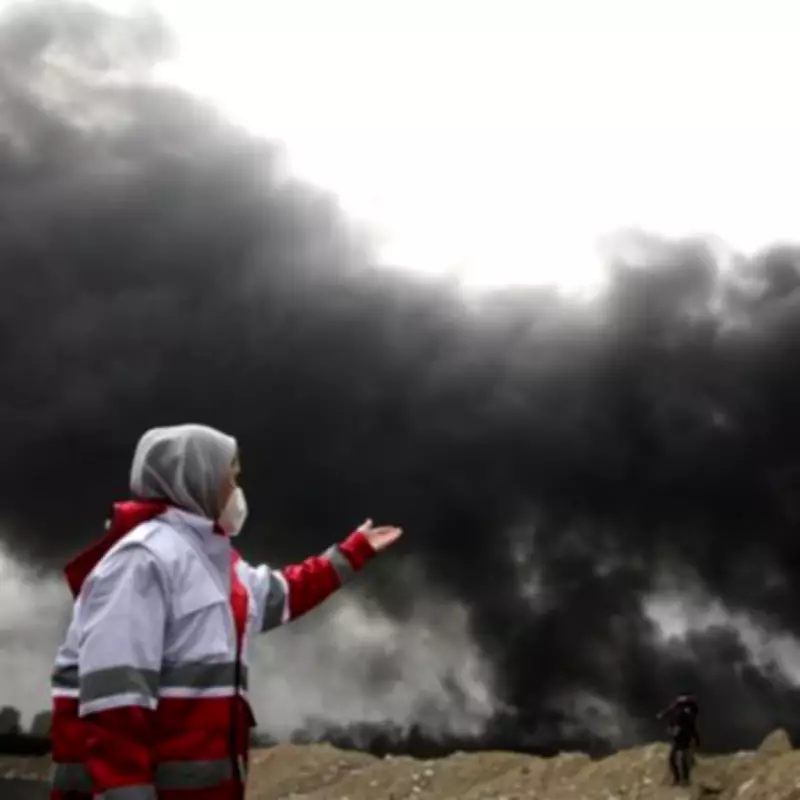
Last week, US-Israeli forces targeted multiple oil refineries and fuel storage facilities in Tehran, actions confirmed by the IDF as strikes on military-linked infrastructure. The aftermath saw huge clouds of toxic smoke billow into the atmosphere, later descending as thick, black rain that coated buildings, cars, and roads. This has created scenes of devastation, with residents reporting burning lungs, sore eyes, raw lips, and a pervasive stench of burning that blocks out the sun.
Dr. Akshay Deoras, a research scientist at the University of Reading, described the situation as "definitely unprecedented," noting that the pollutants originate from missiles and airstrikes on oil refineries. The scale of contamination has prompted international bodies like the World Health Organisation (WHO) to issue urgent health warnings, highlighting risks to vulnerable populations including children and the elderly.

Health Risks: From Immediate Suffering to Long-Term Damage
The "black rain" is not merely a visual nuisance; it poses severe health hazards. The Red Crescent Society in Iran cautioned that the rainfall could be "highly dangerous and acidic," leading to chemical skin burns and serious lung damage. Microscopic soot particles, about 40 times smaller than a human hair, can embed deep in the lungs and enter the bloodstream, potentially causing fatal breathing issues, heart problems, and premature death.
Professor Anna Hansell, an environmental epidemiology expert at the University of Leicester, explained that such intense particulate exposures have immediate impacts on the lungs and can result in long-lasting effects, including increased cancer risks and respiratory conditions. The formation of polycyclic aromatic hydrocarbons (PAHs) and toxic gases like nitrogen oxides and sulfur dioxide further exacerbates the danger, contributing to acid rain and elevating risks of asthma and heart disease.
Residents' Desperate Accounts
Tehran's nearly 10 million inhabitants, along with millions in surrounding regions, are bearing the brunt of this crisis. Leila, a 27-year-old teacher, described the air as "unbreathable," reporting headaches, sore skin, and a burning sensation akin to diluted tear gas after just 15 minutes of exposure. Another resident, Negin, expressed fear over the smoke covering the city, citing severe shortness of breath and eye irritation, yet noting that many have no choice but to venture outside.
These personal stories underscore the widespread distress, with many complaining of an inability to see the sun due to thick smog and pollution. The situation has left people feeling exhausted and helpless, as the toxic fallout continues to affect daily life.
What Is 'Black Rain' and Why Is It So Dangerous?
"Black rain" is an informal term for rainfall contaminated with high levels of pollutants, turning it dark or black. Normally, rain helps cleanse the air, but in this case, soot, ash, and toxic chemicals from burning oil combine with water droplets, falling back to earth without being washed out. Dr. Deoras likened the raindrops to "little sponges or magnets," collecting airborne pollutants as they descend.
This phenomenon can occur after events like oil refinery fires, volcanic eruptions, or wildfires, but the intensity in Iran is linked directly to the military strikes. Professor Peter Adams of Carnegie Mellon University detailed how incomplete burning of hydrocarbons in struck fuel oil produced microscopic soot and harmful compounds, creating a toxic cocktail that now threatens public health.

Escalating Regional Threats
As Iran's conflict with the United States and Israel rages on, with retaliatory attacks targeting Gulf countries, the "black rain" crisis may not be confined to Iran. Frightening plumes of thick black smoke have been spotted over other Middle Eastern regions, raising concerns that if the conflict escalates, more populations could be at risk. The WHO's head, Tedros Adhanom Ghebreyesus, warned that damage to petroleum facilities risks contaminating food, water, and air, with severe health impacts that could extend beyond Iran's borders.
Ultimately, this crisis highlights a grim reality: in war, the highest price is often paid by civilians, who endure not only immediate violence but also lingering environmental and health catastrophes. The "black rain" in Tehran serves as a stark reminder of the devastating toll that modern warfare can exact on human health and the environment.