
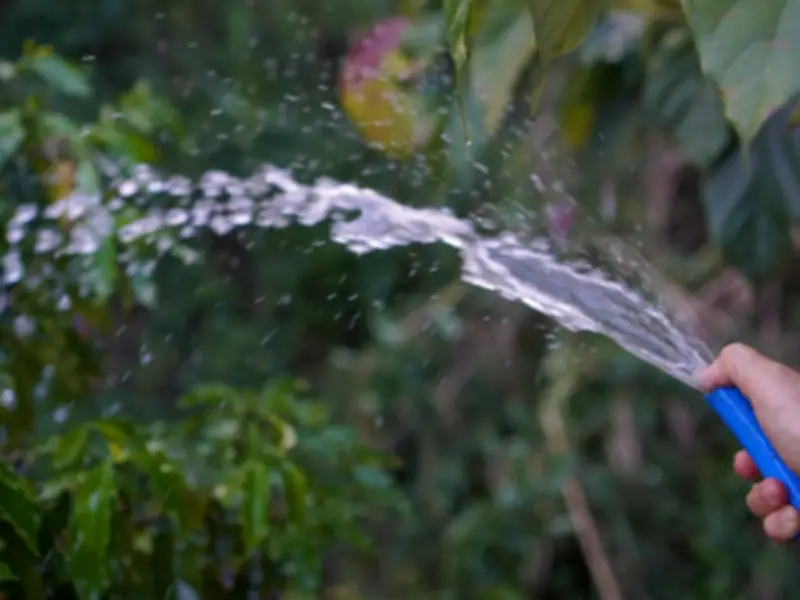
More than two million people in southern England will face a hosepipe ban from this weekend, as South East Water announced temporary restrictions for 2.4 million customers across Sussex, Surrey, Hampshire and Berkshire. The ban takes effect from Saturday, but the company has urged customers to stop using hosepipes immediately for gardens, cars, patios, boats or swimming pools.
Record dry spell triggers water restrictions
The move follows a record-breaking dry spell in central and south-east England, where the Met Office recorded an average of zero rainfall for 14 consecutive days from July 2 to July 15. This is the longest unbroken run of no recorded rainfall for south-east England since a 15-day spell in April 1997, and for central England since a 14-day period in June 1996.
South East Water said the ban was previously limited to Kent customers but has been extended due to declining river levels and the need to protect groundwater sources after lower-than-average rainfall, hot weather and high demand.
Company apologises for disruption
Douglas Whitfield, water supply director at South East Water, said: “Our absolute priority has to be making sure there is always enough water for everyone’s essential daily needs: drinking, cooking and hygiene. To safeguard our shared resource and help prevent any homes from facing a sudden loss of water, we sadly need to ask our communities to not use their hosepipes immediately. We are deeply sorry for the disruption this causes, and we are incredibly grateful to everyone helping us protect water supplies in Sussex, Surrey, Hampshire and Berkshire.”
Reservoir levels below average
The Environment Agency’s weekly dry weather and drought report, released on Friday, showed reservoir storage levels in England are currently at 79%, around five percentage points below the long-term average for the time of year.
Arctic sea ice decline continues
Separately, scientists at the University of Southampton reported that Arctic winter sea ice is back in rapid decline after a brief slowdown. Analysis of recent satellite observations found exceptionally low sea ice in the winters of 2025 and 2026, suggesting the area’s winter sea ice loss has returned to a state of significant decline.




