
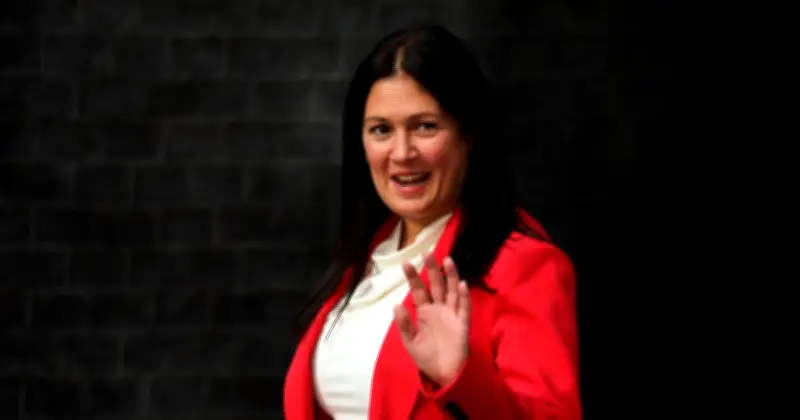
Culture Secretary Lisa Nandy has pledged a support package for households affected by the potential switch-off of Freeview's terrestrial TV signal, as MPs raised concerns over plans that could impact 13.6 million homes across the UK. The government and public broadcasters, including the BBC, are considering discontinuing Freeview signals as early as 2034, transitioning to broadband-delivered television like Freely.
Government Acknowledges Need for Support
In a response to parliamentary questions, Minister of State for Media, Tourism and Creative Industries Ian Murray confirmed that an audience support package would be needed. He stated: "The Government is clear that no one should be left behind as television watching increasingly moves online. A core objective of the DCMS's future of TV distribution work is to ensure that any transition is inclusive, and supports both the continued sustainability of the UK's media ecosystem and the Government's wider ambitions for digital inclusion."
Murray added: "The Department recognises that some audiences may face challenges around affordability, connectivity, digital confidence or usability, and these issues are being carefully considered. As set out in the recent Media Green Paper 'Watch this Space', the Government expects an audience support package will be needed to help them move from Digital Terrestrial Television to TV watched over the internet smoothly and with confidence."
Petition and Public Concern
A Change.org petition opposing the switch-off has amassed over 150,000 signatures, with fears that vulnerable groups, including pensioners, could be forced to pay for broadband connections and new televisions, and that rural areas could be left isolated. The Countryside Alliance warned: "For many people living in rural communities, television is more than just entertainment: it is a vital lifeline for news, information, and connection - particularly for older residents or those who may feel isolated. Most people are unaware this decision is even being considered. Nearly seven in 10 citizens do not know the government is about to decide the fate of Freeview, according to one survey reported by the Big Issue."
Consultation Open Until August 31
The government published a Green Paper on June 23, titled "Watch this Space: A new strategic direction for UK media," which sets out commitments to ensure continued access to free-to-air television. The consultation will remain open until August 31, and a final decision on the future of TV distribution after 2034 will be informed by this consultation. Labour MP Perran Moon pressed Culture Secretary Lisa Nandy on steps to ensure television access remains universal and free to air after 2034.
Broadcaster and Taskforce Perspectives
A spokesperson for the Future TV Taskforce, a coalition of public service broadcasters and Everyone TV, said: "The Taskforce supports a carefully planned, managed transition from digital terrestrial television (DTT) to internet-delivered TV and a potential switch-off in the mid-2030s, as part of a broader, UK-wide digital inclusion and transition plan. Done well, this approach can protect universal access to public service broadcasting; support innovation and investment across the TV sector; and deliver long-term benefits for viewers and the UK economy."
While 94% of UK households are connected to the internet, such a shift could leave hundreds of thousands of often vulnerable homes without access to television. During a Westminster Hall debate, MPs highlighted that the licences underpinning terrestrial broadcasting are due to expire in 2034, with no government pledge yet secured to renew them, potentially leaving television accessible only via internet connections.




