
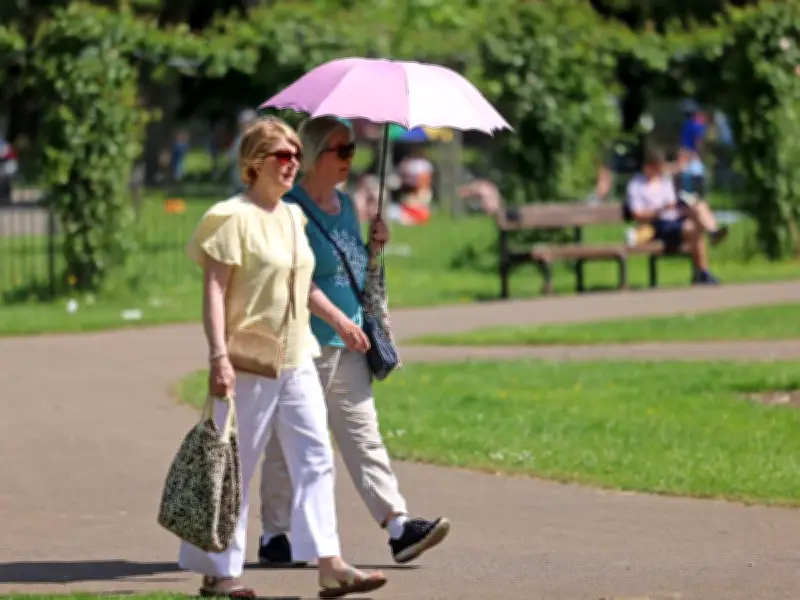
Cardiff council has been asked to explain what it will do to look after people in extreme heat. The council was asked whether it would bring in air conditioning, more shade in public areas or drinking water stations.
This comes after record-breaking June temperatures which saw the hottest day ever recorded in Wales for that month when Bute Park in Cardiff reached 35.9C.
Lib Dem councillor raises concerns
Lib Dem Cllr Bablin Molik asked a written question to the council which reads: “With climate change leading to more frequent and intense heatwaves, including some of the hottest temperatures ever recorded, what is Cardiff council doing to ensure that the city’s infrastructure and public services are resilient to extreme heat?
“In particular how are schools, hospitals, care homes, council offices, and other public buildings being adapted to ensure they can continue to operate safely and effectively during periods of exceptionally hot weather?”
She asked if cooling systems, improved ventilation, shaded public spaces, additional tree-planting or drinking water stations would be put in place. The Cyncoed councillor also asked what the long-term strategy is to cope with heat-related risks.
Council response
The council said it is looking at the impact of heat and overheating, as well as flooding and infrastructure disruption, are a "significant risk for public services in the city". The council say after extreme weather, a review is carried out.
It also said a risk register is now being developed that will bring together “the major public sector, academic, and utility organisations in the city“ to identify areas of climate risks and where joint working would bring a “stronger and more efficient response”.
It did not specifically answer her request about cooling systems or physical change to the city, but gave specific examples of council services adapting. In terms of people rough sleeping, the council has a severe weather emergency protocol that “can be implemented at pace”.
Transport and road are “monitored closely” to identify any issues caused by high temperature.
Service adaptations
Other service adaptations listed included changing the time of bin collections to protect staff. It continues: “Both children’s and adult services can adapt working practices to ensure that vulnerable residents and service users receive the support they need safely throughout any period of extreme heat.”
Guidance is also issued to schools to keep staff and pupils safe.




