A campaign has been launched to safeguard the site of First Hampden in Glasgow, Scotland's first national football ground, and turn it into a community hub and heritage space. The site was put on the market after the previous tenant, a bowling club, closed its doors earlier this year.
Historic first home of Scottish football
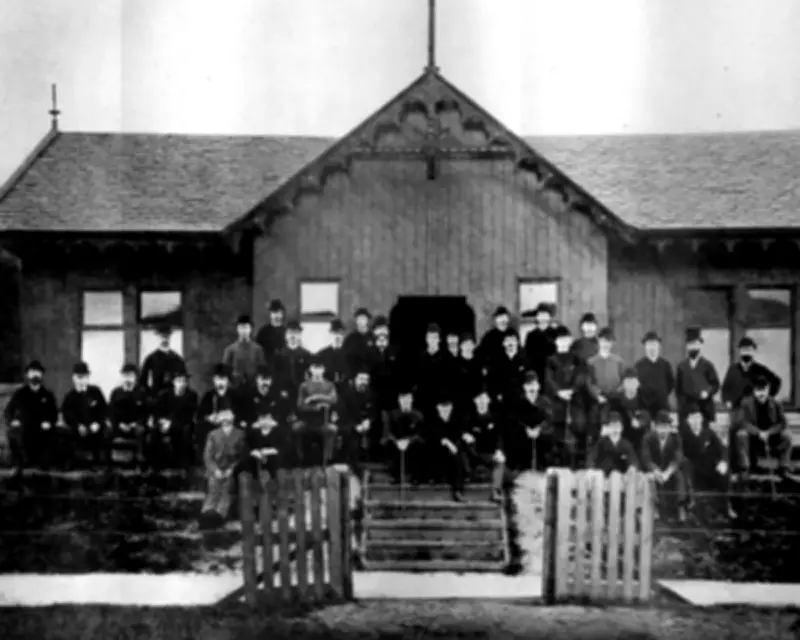
Almost 150 years ago, in 1878, Scotland's national team moved into their first home at First Hampden, about half a mile from where Hampden Park sits today in south Glasgow, and won every game they played there. The ground is widely considered the world's first purpose-built international football stadium, with features now commonplace in grounds around the world – including season tickets, turnstiles and pavilions – thought to have originated there.
Before becoming the national ground, First Hampden was home to Queen's Park FC, who are credited with inventing many features of the modern game, including the passing style of play, as opposed to a more rugby-like kick-and-charge approach common at the time. A key generation of players nicknamed the "Scotch professors" went on to export the invention around the country and the world, including to nations such as Brazil.
Community plans and heritage recognition
Calum Cameron, 37, a founding member of First Hampden community interest company (CIC), said: "We want to see it become a multifunctional community space. Somewhere vibrant and usable for the community but that also upholds and develops this amazing footballing history through storytelling and heritage."
A striking black-and-white mural on the back of what was previously Hampden Bowling Club on the site commemorates a famous 5-1 victory over England in 1882 and depicts the then national team captain, Andrew Watson, the first Black international footballer. Cameron added: "There are all these little pieces of social history and I think there's more to be uncovered. When you start talking to people about the site, there are so many stories and connections that come out – but a lot of people don't know it is even here, which I hope will start to change as we do this work."
Today, there is little visible evidence of the original structure, but a 2021 excavation by Historic Environment Scotland uncovered remains of the pavilion, earning one part of the site, which now exists as a small public park, protected status as a national monument. The section up for rent, comprising the former bowling club building and lawn, sits on the other side of a fence and is not covered by the protection.
Football's Square Mile and future prospects
The footprint of First Hampden is one of 21 historic footballing sites in the south of Glasgow curated into Football's Square Mile, a project set up to promote and celebrate the nation's footballing heritage. Football's Square Mile's engagement director, Graeme Brown, proved its existence in 2017 through archival railway maps. Brown said: "[First Hampden] is arguably the world's most important football heritage site. And you can just come and stand on it – you don't need to go to a museum and pay an entry fee. You can come and stand on [what was] the pitch and say: 'This is where Scotland played.' It always makes me tingle to walk around this area. You can kind of feel the ghosts of First Hampden all around you."
Attempts by First Hampden CIC to acquire the site have so far been unsuccessful, with a request for a community asset transfer rejected by the owners, City Property Glasgow, an arm's-length company owned by the council. A spokesperson for the company said it was "obliged to obtain commercially reasonable terms for the sale and lease of our assets" and that the site was considered to have income-generating potential. They said there was no intention to sell for redevelopment and that bids would be assessed "on their individual merits, including but not limited to community benefits, heritage consideration, deliverability and financial value".
First Hampden CIC is exploring other options, Cameron says, including a full feasibility study and community consultation for its plans, and submitting an official bid through the lease process. So far, almost 1,000 people have signed up online to show their support. Cameron, who has become a bigger football fan since living in the area, said: "Affordable, accessible public spaces are becoming fewer and further between in Glasgow and in general, and this is another that's at risk of being lost. We need places where people can come together. The city's slogan is 'people make Glasgow', so let's give those people places to go."