
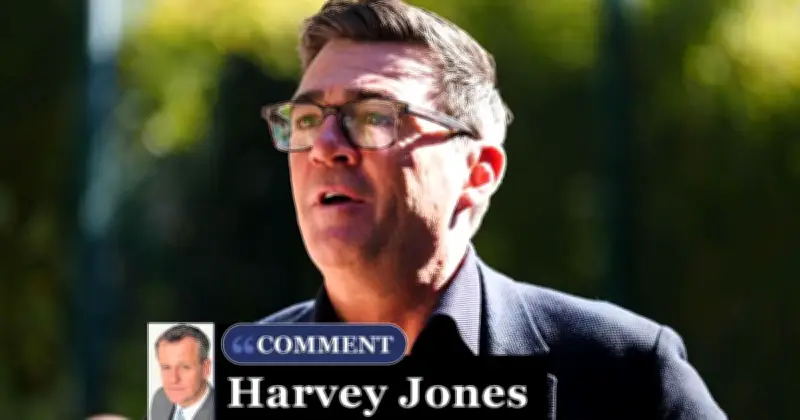
As Andy Burnham searches for ways to fund his spending promises, the state pension is back in the firing line. The campaign against the triple lock is gathering pace as a growing army of critics label it unsustainable. Pensioners see it differently: the triple lock has protected millions from poverty during the cost-of-living crisis. It remains unclear whether Burnham will eventually come after the policy, but he has already made one decision that risks turning it into a brutal tax trap.
Every April, millions of pensioners expect their state pension to rise by whichever is highest: earnings, inflation or 2.5%. The problem is that the tax system is frozen. Rishi Sunak froze the £12,570 personal allowance in 2021, and Rachel Reeves later extended that freeze to 2031. So while the state pension keeps rising, the tax-free allowance stands still. The two are now on a collision course.
Just £22.40 below the tax threshold
The full new state pension is currently worth £12,547.60, only £22.40 below the personal allowance. If the Government Actuary's latest projection proves correct, next April's increase would lift it to around £12,975, leaving roughly £405 potentially liable for income tax. Reeves came up with a workaround: pensioners whose only taxable income is the new state pension would simply be exempt. Burnham has decided to stick with her plan.
It sounds generous, but in reality it is little more than a sticking plaster. First, it creates glaring unfairness. Britain now has two state pension systems. Millions who retired after April 6, 2016 receive the new state pension. Those who retired earlier receive the basic state pension, which is much lower at £9,614.80 but often topped up by SERPS or the state second pension. Those extra state pension payments remain taxable, meaning two pensioners with broadly similar retirement incomes could end up paying different amounts of tax simply because they retired under different systems.
The second sting: other income unravels the exemption
Burnham's protection only applies if the state pension is your only taxable income. The moment a pensioner receives other income, say from a small private or company pension or a modest part-time job, the exemption starts to unravel. They won't just pay tax on that extra income; they can also be taxed on the slice of new state pension that falls above the frozen personal allowance.
By 2030, a pensioner receiving the full new state pension could face a tax bill of around £220 after earning just £1 of additional taxable income. That is one of the sharpest cliff edges anywhere in the tax system.
Every April the trap tightens
There is also a third threat. Every April the triple lock pushes the state pension higher while the personal allowance stays frozen. The distortion gets bigger, and so do the tax exemptions. Sooner or later, ministers will start asking how long this can carry on.
One option is to unfreeze the personal allowance, but that would cost tens of billions. Alternatively, the Treasury could decide the real problem isn't the tax freeze but the triple lock itself. Every triple lock state pension increase makes the tax trap deeper and increases the bill for Reeves's tax fix, ramping up political pressure.
The danger is that today's quick tax fix could become tomorrow's excuse to dismantle one of the most popular promises in British politics. It is a mess, and it will get worse every year.




