
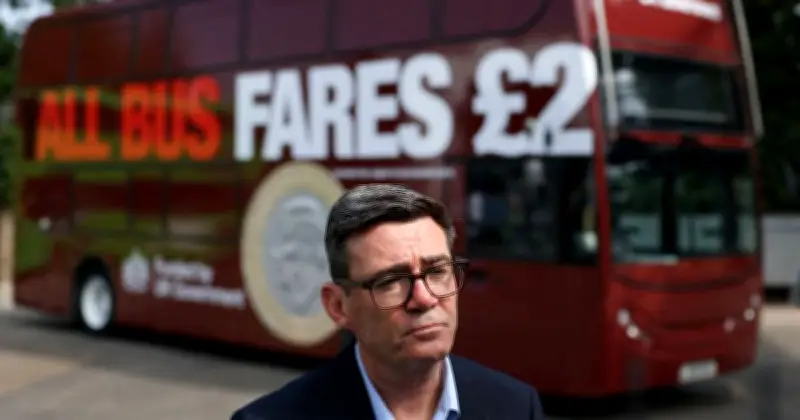
The decision by Andy Burnham to cut the bus fare cap from £3 to £2 is welcome news for families struggling with bills, but the funding mechanism—converting UK climate aid into repayable loans—undermines essential climate action and forces a false choice between buses and the environment.
Climate finance under threat
The government's initiative, announced last month, will be paid for by changing international donations to tackle climate change abroad into repayable loans. While this may seem like dry accountancy, it has real-world implications. As wildfires forced tens of thousands from their homes across Southern Europe, the UK joined France and Spain in warning that climate change threatens our way of life, yet simultaneously weakened finance measures that help address it.
Economic and security stakes
Climate finance is in Britain's economic interest. It helps poorer countries withstand climate shocks, remain stable, and continue trading with us, buying British goods and providing essential products. Additionally, making clean energy and infrastructure more affordable can help low- and middle-income nations avoid high-emissions pathways, reducing future global emissions and the costs they impose on our economy.
If poorer countries take on more debt, they spend more on repayments and less on health and education, destabilising their societies and, in the long term, creating a less stable world. While Britain's alone is less than 1% of global emissions, and our contribution to development spending might seem a drop in the ocean, every country could make the same argument, and by leaving the cost to others, everyone loses.
Leadership and collective action
The UK can choose to see itself as insignificant or show leadership to persuade others. This principle is already understood in defence: we invest and cooperate with allies because collective action creates a safer world. Climate finance works the same way.
At COP29 in 2024, higher-income countries agreed to mobilise at least $300 billion a year for climate action in lower-income countries by 2035. Britain, representing roughly 2.1% of the global economy, would contribute above $6.3 billion (about £5 billion) of that target. While that sounds enormous, Britain will spend £74 billion on defence in 2027–28, and climate change is arguably a greater threat.
The Government's International Climate Finance Strategy says tackling climate change at home and overseas is a priority—not charity but essential investment in long-term national security and prosperity. Yet Burnham is treating it as a piggy bank to be raided whenever another bill needs paying.
Climate change will not wait until we have more money. The PM is right to make buses cheaper, but the government must find another way to pay for it. Otherwise, cheap bus fares are akin to being on the Titanic and hoping someone else will stop us from sinking.




