
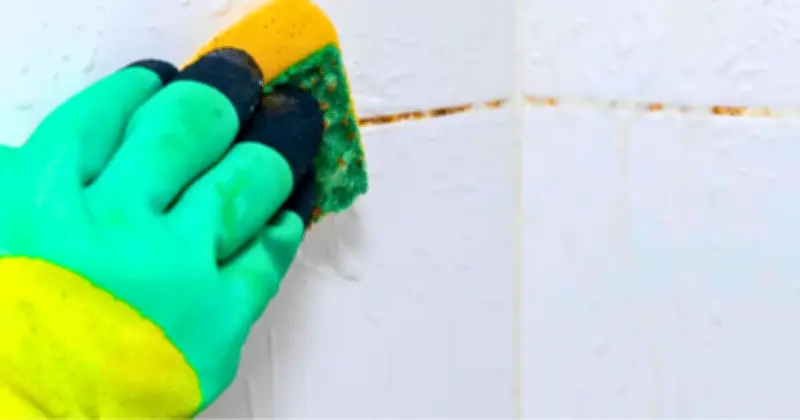
Baking soda, a common kitchen cupboard staple, can whiten tile grout and remove mould in as little as 10 minutes, offering a safer alternative to harsh cleaners like bleach, according to cleaning expert Jayden Copeland.
Why Bleach Fails on Grout Mould
Grout is a porous material that absorbs steam, creating a damp environment for mould to grow. Mould spores penetrate deep into grout, and bleach often only kills surface mould, allowing it to return. Bleach can also deteriorate tiles over time. Copeland, a mum and cleaning expert behind Backroad Bloom, recommends baking soda instead.
The Power of Baking Soda
Copeland explains: “Because of its abrasive texture, baking soda is great at removing dirt and build-up. It's not too abrasive, though, so it shouldn’t cause any damage to your tile or grout. It's a mild alkali, which means it can cause dirt and grease to dissolve easily in water, so it can be wiped up and removed.” Baking soda's fine particles scrub away mould, soap, and dirt. When combined with other cleaning agents, it helps them penetrate deeper to kill mould spores and prevent regrowth.
How to Clean Grout with Baking Soda
To make a cleaning paste, mix one tablespoon of baking soda, two tablespoons of 3% hydrogen peroxide, and two teaspoons of washing-up liquid. Hydrogen peroxide is a milder, environmentally friendly alternative to bleach that breaks down mould stains and whitens grout without toxic fumes. Washing-up liquid removes soap residue that mould feeds on.
Method: Mix ingredients into a paste. Apply to grout and let sit for 5–10 minutes to kill mould spores. Then scrub with a soft-bristled brush or old toothbrush. Stains should lift easily, leaving tiles clean and bright.




