
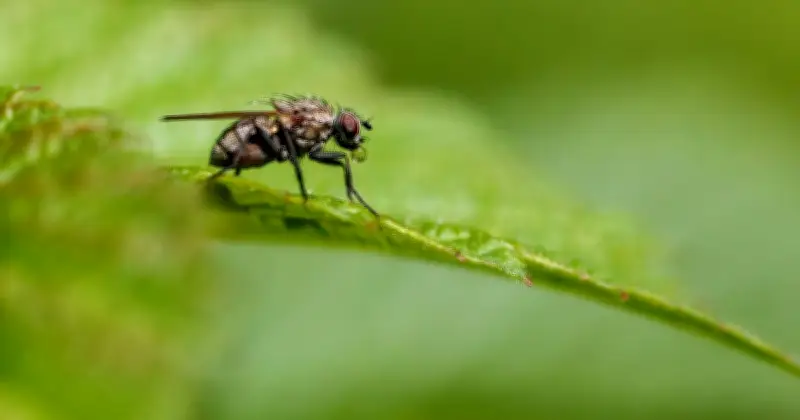
A viral fly trap using apple cider vinegar and common kitchen ingredients offers a chemical-free solution to summer fly infestations. The method, shared by TikTok user Sydnee Cooke (@waystocooke), requires items already in most kitchens and costs under £3.
How the Non-Toxic Fly Trap Works
Cooke explains that apple cider vinegar combined with a sweetener like honey or maple syrup attracts flies. The trap uses a jar with foil covering, pierced with small holes. Flies crawl in through the holes but struggle to escape. Cooke says flies in her house drive her "absolutely insane" and calls this "one of the easiest non-toxic traps you can make with things already in your kitchen."
An alternative version from Mumsnet suggests using dish soap instead of honey. The instructions: punch tiny holes in a jar lid, pour 1/4 cup of apple cider vinegar, add a few drops of liquid dish soap, screw on the lid, and place near fruit bowls or compost bins. The vinegar attracts flies while the dish soap breaks surface tension, causing them to sink.
Cost and Safety Benefits
Apple cider vinegar costs around £2 in UK supermarkets, and honey can be as cheap as 74p at Tesco. The trap avoids toxic sprays or harsh chemicals, making it safe around food, air, and pets. According to Cooke, pets can wander freely without risk.
Why Fly Infestations Increase in Summer
Many UK households have seen more flies recently due to warm temperatures accelerating food bin odors. Pest control experts at Ehrlich explain: "A sudden housefly infestation often happens after bringing home food, missing a trash day, or dealing with plumbing problems. Flies get in through small gaps around windows, doors, or vents. Once inside, they're drawn to moisture, rotting food, dirty drains, pet waste, and even damp houseplants."
Different fly species target different attractants. Drain flies breed in wet organic matter and may seek light; fruit flies are linked to overripe fruit or fermenting liquids; houseflies prefer rotting food, pet waste, and garbage. Flies lay eggs in moist organic material like rotting food or damp compost. Eggs are tiny, white, and hard to see, hatching into larvae within a day or two. Clusters may appear in garbage bins, under appliances, or inside drains. Cluster flies gather in attics or wall voids to overwinter.
Preventing Future Infestations
To reduce fly problems, seal gaps around windows and doors, keep bins clean, and dispose of rotting food promptly. The non-toxic trap provides an immediate solution without chemicals, but addressing breeding sites is key to long-term control.




