
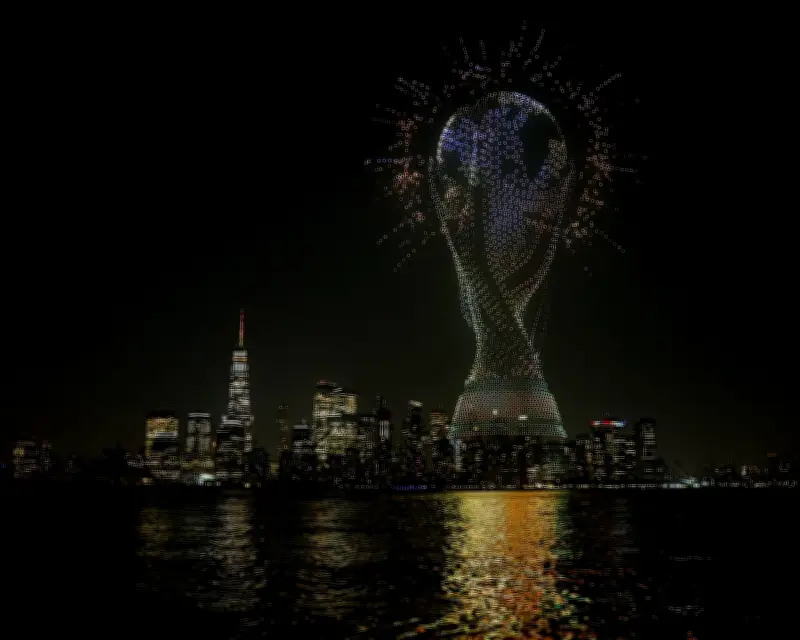
The 2026 World Cup was successful in all the ways it was intended to be. The soccer was interesting and competitive, though mostly not great. People came in overwhelming numbers. The tournament generated vast sums of money for its organizer—more than even FIFA itself had projected, according to The Guardian.
The expanded field of 48 teams worked out fine, as the worst teams were generally not the debutants. Talk of further expansion to 64 teams is now being discussed less as a fringe idea than as a natural next step.
What Did the World Cup Give Back?
FIFA once insisted the World Cup was about spreading the sport and conquering new lands. But what did it leave behind? The tournament's legacy in the United States may prove complicated. The games were exclusive and inaccessible, and FIFA structured the event so that every penny of its haul will first go back to Switzerland. There will be no pot of money left for local organizers to reinvest in the game, unlike in 1994. The US Soccer Federation was largely marginalized, left to work around the edges for lasting grassroots impact.
Soccer in the US does not have a popularity problem—it has an access problem. Access to recreational youth soccer not consumed by pay-to-play travel scenes, to quality coaching that prioritizes development over winning, and to fields and equipment. It is unclear whether this World Cup will help with any of those issues.
FIFA's Future Plans
For FIFA, this edition offered proof of concept: that it can expand without penalty, price-gouge, and be rewarded enormously. By the same mechanism that allowed Gianni Infantino to engineer a 2034 World Cup in Saudi Arabia, a return to the US in 2038 seems possible. There is also talk of hosting the FIFA Club World Cup in the US again in 2029, and a 2031 Women's World Cup co-hosted here is all but a done deal. That may be what FIFA has built: a colony.




