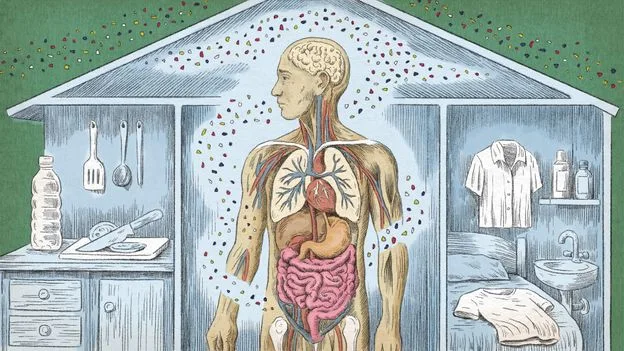
Microplastics are pervasive in the kitchen, from tap water to cookware, and they infiltrate a wide range of foods, including eggs, meat, and vegetables. A recent study highlights that premium teas may contain particularly high levels of these particles, raising concerns about dietary exposure.
These tiny plastic fragments, measuring less than 5mm, enter food through various pathways: they flake off utensils, leach from plastic bottles, and are absorbed by plants and animals. Research indicates that the amount of microplastics consumed by people has increased more than sixfold since 1990.
Simple steps can reduce exposure. Rinsing rice before cooking can cut microplastic content by 20-40%, and washing meat and fish helps, though it does not eliminate them entirely. Switching to fresh, whole foods and avoiding ultra-processed items is recommended, as processing introduces more contamination.
Experts note that while individual actions matter, broader changes are needed. Cutting global plastic pollution by 90% could halve the amount of plastics ingested by people in the most affected countries.