
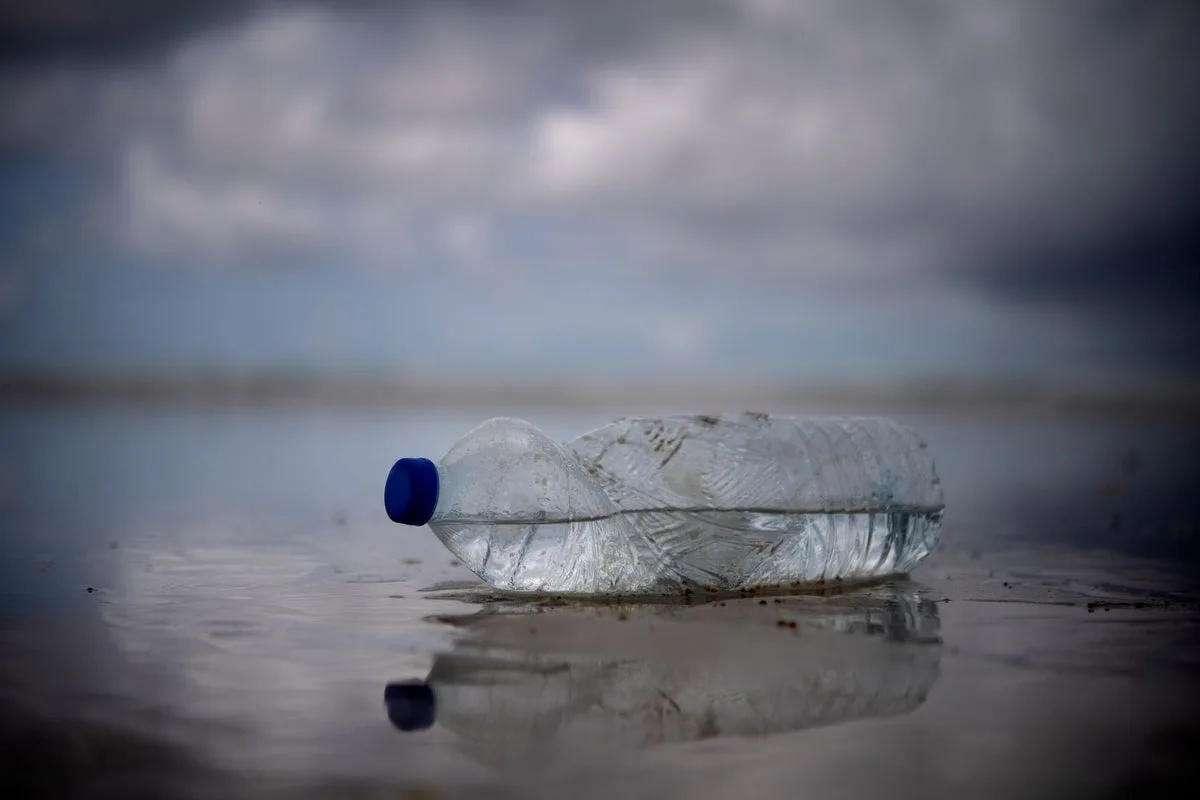
Microplastics from everyday sources such as water bottles can directly damage the pancreas, according to a new study. Researchers from Poland and Spain found that tiny particles of polyethylene terephthalate (PET), the key component of plastic bottles, had toxic effects on pancreatic cells in pigs, potentially leading to diabetes and obesity.
The study, published in the journal BMC Genomics, exposed pigs to low (0.1g per day) and high (1g per day) doses of PET microplastics for four weeks. The results showed that PET microplastics provoked considerable cell death inside the pancreas and led to severe disruptions in its function. The particles directly affected proteins involved in key pancreatic functions, with the low dose altering the abundance of seven proteins and the high dose affecting 17.
Specifically, the researchers found an abnormal increase in fat droplet accumulation in the pancreas after exposure to PET microplastics. Fat droplet accumulation is linked to impaired insulin secretion and compromised glucose metabolism. Additionally, PET particles could be triggering inflammation in the pancreas at the cellular level.
The study points to a “novel pathway through which microplastics may cause metabolic disturbances”. The findings indicate parallel outcomes in humans, the researchers say, urging policymakers and regulators to consider the health implications of increasing microplastic pollution. They also call for further studies to understand how microplastics accumulate in food chains.




