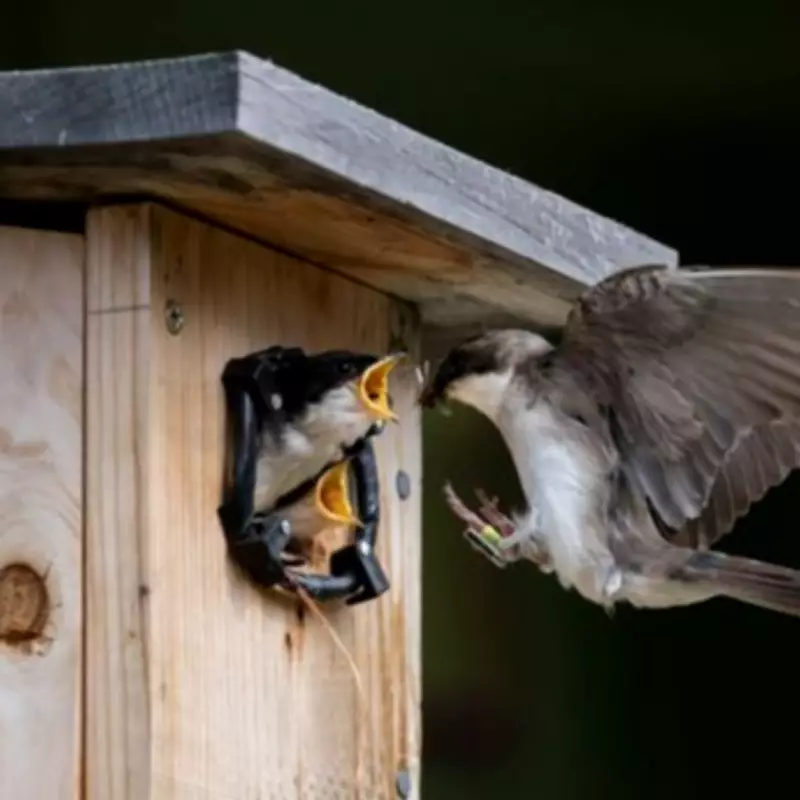
Garden enthusiasts who maintain nesting boxes have been strongly advised to complete five essential tasks this weekend to provide vital support for avian wildlife. The expert team at BBC Gardeners' World Magazine has published a comprehensive monthly gardening guide, featuring detailed sections covering everything from general garden maintenance to specific fruit and vegetable cultivation.
Critical Wildlife Recommendations
Within the wildlife portion of their fifty recommendations, the gardening specialists included crucial guidance on pond maintenance, planting wildlife-friendly annuals, and ensuring that all nest boxes are in optimal condition. The experts emphasized that while some birds begin searching for potential nesting locations as early as January, the peak period for this activity occurs in mid-February, which naturally coincides with Valentine's Day on February 14th.
Nest Box Maintenance Protocol
Under the heading "Check Your Nest Boxes," the detailed guidance stated: "Some garden birds start looking for nesting sites as early as January, but the peak time is mid-February - around Valentine's Day." The instructions proceeded to outline a clear five-step process for proper nest box maintenance.

First, carefully take down all existing bird boxes from their positions. Second, thoroughly empty out any old nesting material that has accumulated from previous seasons. Third, rinse the boxes meticulously with boiling water to eliminate parasites and pathogens, then leave them to dry completely. Fourth, inspect each box carefully for any signs of damage, rot, or dangerous splinters that could harm nesting birds. Fifth, securely fix the cleaned and inspected boxes back in their original positions.
Replacement Considerations
The guidance further advised: "If a box is rotten or significantly damaged, consider replacing it with a woodcrete box, which will last considerably longer and provide superior protection from predator attacks." This durable alternative offers enhanced security for nesting birds against common garden predators.
February Gardening Momentum
Meanwhile, as winter gradually loosens its grip and gardeners begin anticipating brighter evenings, television gardening legend Monty Don has compiled an extensive to-do list for green-fingered enthusiasts tackling February tasks. Writing in a detailed blog post, Monty observed: "February is the month when the garden really starts to come alive and grow even if the weather can be severe and the days are still short. In February something is definitely happening. There is a genuine thrill in the air."
Additional Gardening Priorities
Top of the gardening agenda was retrieving trusty secateurs for essential pruning work. Particular blooms require trimming back during late winter, with roses topping the must-prune list currently, though clematis and buddleias also warrant careful attention this month.
Secondly, gardeners can begin sowing tomato seeds inside warm greenhouses or sheds, while also tackling other hardier vegetables including chillies, rocket, and broad beans. Potatoes can also be chitted during this period to encourage strong growth.
Mulching Benefits Explained
Discussing the third crucial task, comprehensive mulching, Monty explained: "This will accomplish three important jobs simultaneously. The first is to suppress any annual weeds and weaken any perennial ones. The second is to reduce evaporation and therefore retain essential moisture in the soil. The third benefit is that organic mulch will be gradually incorporated into the soil by worms, significantly improving both soil structure and nutritional content."
Avian Nutrition Importance
In fourth position was the ongoing task of feeding garden birds regularly. Monty noted that the "better nourished the parent birds are" throughout the breeding season, the "larger and healthier the offspring" will ultimately be. This nutritional support contributes directly to successful breeding outcomes and robust chick development.