Cocaine Sharks Discovered in Caribbean Waters: New Study Highlights Pollution Crisis
In a startling environmental revelation, scientists have confirmed the presence of cocaine, caffeine, and painkillers in sharks inhabiting the waters around the Bahamas. This groundbreaking research, published in the journal Environmental Pollution, marks the first documented instance of such substances being detected in marine predators in this popular tourist region.
Unprecedented Findings in Shark Species
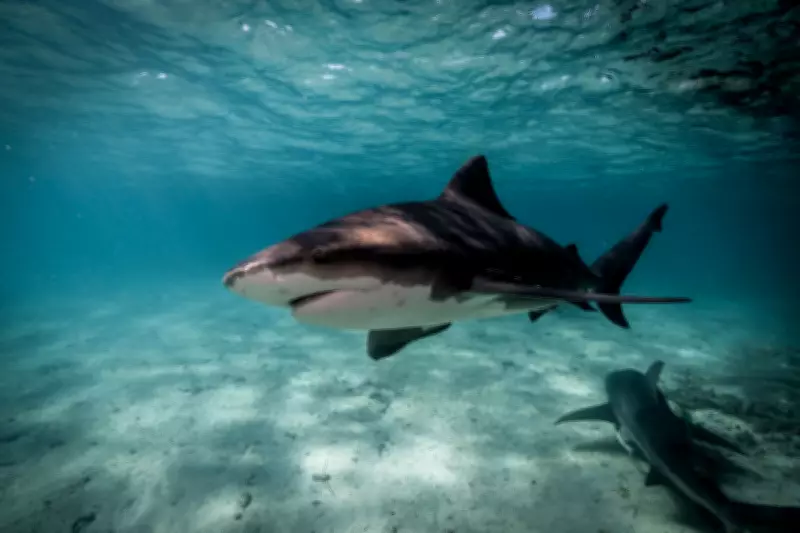
The study involved the capture of 85 sharks, with 28 individuals from species including Caribbean Reef, Atlantic Nurse, and Lemon sharks showing detectable levels of these contaminants. Notably, this is the first time cocaine and the painkiller diclofenac have been found in Bahamian sharks, while caffeine and acetaminophen were identified in shark species globally for the first time.
Researchers observed significant metabolic alterations in sharks with contaminated blood, directly linking diclofenac exposure to potential kidney disease and cocaine or caffeine intake to hyperglycemia. These findings raise serious concerns about the health impacts on marine ecosystems and the broader implications for biodiversity.

Human Waste Identified as Primary Source
Scientists point to human activities as the likely source of this contamination. Potential contributors include sewage dumping and discarded drug packets, which introduce pharmaceuticals and illicit substances into the marine environment. This pollution not only affects shark populations but also signals a growing threat to oceanic health worldwide.
The presence of these substances in top predators like sharks underscores the pervasive nature of human-induced pollution, highlighting an urgent need for improved waste management and environmental protection measures in coastal areas.
Broader Implications for Marine Conservation
This study sheds light on emerging pollution risks in marine habitats, particularly in regions frequented by tourists. The contamination of sharks with drugs and painkillers could disrupt food chains and ecosystem balance, posing long-term challenges for conservation efforts.
As researchers continue to monitor these trends, the findings call for increased awareness and action to mitigate pollution sources, ensuring the preservation of marine life and the sustainability of our oceans.