UN Report Warns of Rapid Collapse in Epic River Fish Migrations
A comprehensive United Nations assessment has revealed that the epic migrations of freshwater fish, among the world's great natural wonders, are rapidly collapsing. The report, led by Dr Zeb Hogan from the University of Nevada, found that freshwater fish populations have crashed by approximately 81% since 1970, posing a severe threat to biodiversity and human livelihoods.
Global Scale of the Crisis
The longest migration of any freshwater fish species is undertaken by the dorado catfish, which travels 7,000 miles from spawning grounds in the Andes foothills to feeding areas in the Amazon estuary and back. Dr Hogan described these silver-gold fish as incredible, reaching up to 2 metres in length. However, such migrations, including more familiar examples like salmon and eels, are under immense pressure worldwide.
Freshwater species are particularly vulnerable due to human activities. Pollution often drains into rivers and lakes, dams block vital waterways, and overfishing decimates populations. The climate crisis exacerbates the damage by raising water temperatures, further stressing these ecosystems.
International Cooperation Urgently Needed
Amy Fraenkel, the executive secretary of the UN's Convention on the Conservation of Migratory Species (CMS), emphasised that animal migration is one of nature's great wonders, involving extraordinary feats of timing and endurance. She stressed that international cooperation is essential to ensure the survival of these species, as their journeys often cross multiple national borders and even continents.
Migratory freshwater fish underpin some of the world's largest inland fisheries, sustaining hundreds of millions of people. For instance, the Tonlé Sap lake in Cambodia, part of the Mekong river system, hosts over 100 migratory species, with local fisheries capable of catching several tons of fish in an hour. Yet, these fish are among the most imperilled wildlife on the planet.
Key River Basins at Risk
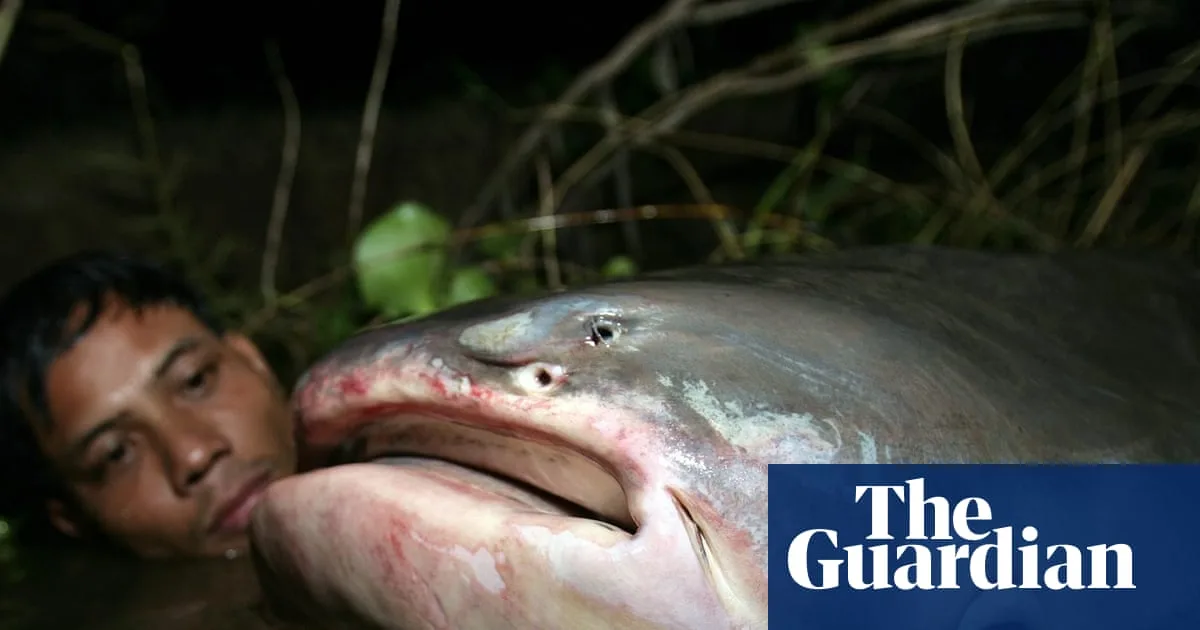
The report identified several priority river basins in trouble, including the Mekong, Danube, Nile, and Ganges-Brahmaputra. In the Mekong basin, all large migratory freshwater fish are now at risk of extinction, including the colossal giant catfish, which has halved in size in recent years due to overfishing. Notably, key Mekong nations such as Thailand, Cambodia, Laos, and Vietnam are not yet members of the CMS treaty.
Half of the Earth's land surface lies within river basins shared by more than one country, yet the collapse of river migrations remains a largely overlooked biodiversity crisis. The report assessed data on over 15,000 freshwater fish species, finding 325 that cross borders and could qualify for protective action. To date, only 24 have been listed, mostly sturgeon targeted for caviar.
Call for Action and Hope
Michele Thieme from WWF-US warned that the crisis beneath our waterways is far more severe than most people realise, urging coordinated management of rivers as connected systems across borders. Measures proposed include removing or preventing barriers in rivers, ensuring water flows, tackling pollution, and coordinating fisheries catches.
Some positive steps are emerging, such as Brazil's proposal for a decade-long action plan for migratory catfish in the Amazon basin, which could serve as a model for other regions. Dr Hogan expressed hope, noting that keeping rivers free-flowing and healthy is crucial. However, losses have already occurred, like the extinction of the Chinese paddlefish from the Yangtze river due to dam construction in 1981.
As 132 CMS member countries meet in Brazil this week, improved international cooperation to protect migrating fish is high on the agenda, with a focus on basin-wide solutions to prevent these migrations from being lost forever.






