Squirrels Mistake Vapes for Food, Sparking Wildlife Health Crisis
Wildlife experts across the United Kingdom have issued urgent warnings after observing squirrels and other animals interacting with discarded electronic cigarettes. Multiple documented incidents show rodents gnawing on vapes, likely attracted by the fruity aromas emitted by the devices.
Social Media Evidence of Animal Interactions
Several photographs and video clips circulating on social platforms in recent months provide compelling visual evidence. On TikTok, user @tts_tiktok22 shared footage of a squirrel in South Philadelphia chewing on what appears to be an ElfBar disposable vape. Meanwhile, a Facebook user in Wandle Valley captured an image of a squirrel climbing a fence while clutching a vape in its mouth.
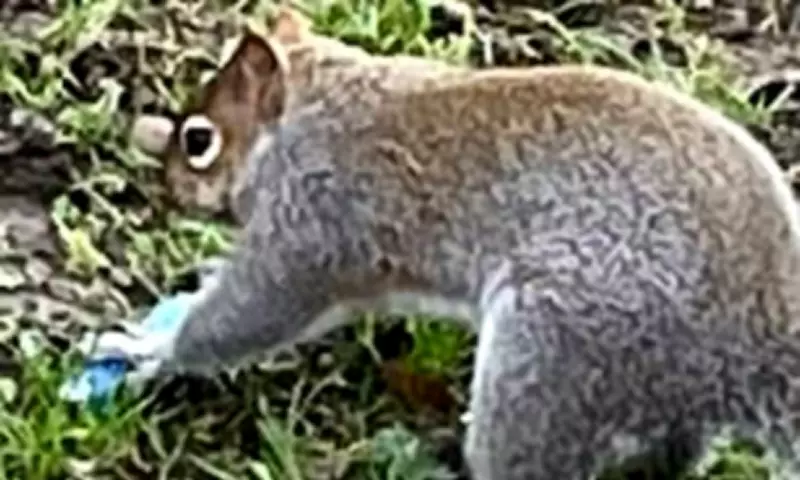
Additional footage obtained by The Telegraph this week depicts a grey squirrel in south London manipulating an e-cigarette. Experts remain uncertain whether the animals are merely biting the plastic casings or actively consuming smoke and vape liquid, but the prevailing theory points to olfactory confusion.

Expert Analysis of the Attraction
Kay Haw, director of the UK Squirrel Accord, explained to the Daily Mail: "I imagine the squirrel is interested in the vape liquid inside, which is exuding an odour and attracting it. The squirrel can smell the liquid and likely thinks it is a food source, so is trying to find a way into the vape."
To investigate further, Evie Button, a scientific officer at the RSPCA, conducted a dissection of a disposable vape. She noted in a blog for Wildlife and Countryside Link: "The other noticeable thing about the vapes I've picked up is the strong smell, even long after they've been used. The one I took apart still smells strongly of blueberry, over three months since I picked it up."
Button expressed concern: "We're worried that animals could be attracted to the smells and, mistaking them for food, try to bite or swallow them."
Broader Wildlife and Pet Dangers
The threat extends beyond squirrels. Documented cases include birds interacting with vapes, with one reported incident in New Zealand where a bird died from poisoning after swallowing a vape. Button added: "But we know that this will only be the tip of the iceberg as so many litter casualties go unseen and unreported, particularly with wildlife."
Pets are equally vulnerable. Button highlighted: "We know that dogs in particular have heightened sensitivity to sweet tastes and smells, and they could easily sniff them out on a dog walk." The Veterinary Poisons Information Service has received 680 calls concerning pets and vape liquids since 2017, with 96 percent involving dogs. High doses of nicotine-based liquid can cause serious illness, and there have been fatal cases reported.
Environmental Impact and Regulatory Response
An RSPCA spokesperson, responding to The Telegraph's video, called it a "stark reminder" of litter dangers. They noted: "Sadly this is the tip of the iceberg – as five million single-use e-cigarettes were thrown away every week according to research prior to a Government ban on their sale."
Although disposable vapes have been banned since June 2025, millions remain littered in UK parks. The spokesperson explained: "The RSPCA successfully lobbied the Government with our #VexedAboutVapes campaign and a ban on selling disposable vapes was brought in last year in England. But sadly we are still seeing litter – including vapes – simply being tossed away in our communities, putting animals needlessly at risk."
The RSPCA urges proper disposal: "How we dispose of our rubbish greatly impacts wildlife and we would urge people to hold on to their litter until there's an opportunity to dispose of it safely and responsibly – and to always recycle where appropriate – so we can reduce the number of animal casualties we see impacted by rubbish."

Background on UK Squirrel Populations
Red squirrels, native to the UK, face multiple threats including competition from invasive grey squirrels introduced from North America in the late 19th century. Grey squirrels carry squirrel parapox virus, which is often fatal to red squirrels, and they deplete food sources like green acorns that reds depend on. Combined with habitat loss, these factors have reduced red squirrel populations to an estimated 15,000 in the UK, making incidents like vape interactions an additional concern for wildlife conservation.